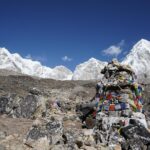
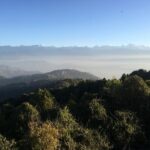
A first trip to Nepal, made practical. This Best of Nepal route strings together temples, sunrise views, lakeside time, and wildlife in one steady loop, with a guide to connect the dots. You get hotel/port pickup and drop-off, plus a group size capped at 30, which helps the days feel organized instead of chaotic.
I especially like the way the itinerary mixes major sights with hands-on moments, like a Tharu cultural evening in Chitwan and time for sunrise at Sarangkot. I also like that meals are included in a structured way, so you are not constantly hunting for food between transitions.
One drawback to consider: the days include long drives (for example, around 6 to 7 hours at a stretch), and some views can get muted by haze, depending on weather. Build in patience, and treat the schedule like a helpful framework, not a guarantee of perfect visibility.
Quick, specific reasons this tour works
Hotel pickup and drop-off: you start with less stress, especially when you are new to Kathmandu and Pokhara.
Small group cap (max 30): easier pacing and smoother transitions between places.
Sarangkot sunrise timing: an early push for big views of the Annapurna region and Fishtail.
Chitwan culture plus wildlife activities: Tharu village tour, elephant breeding center, and jungle walking are built in.
Real guide power: guides like Raj (operator coordination) and Birodh (on-the-ground guiding praised in feedback) are highlighted for clear explanations and flexible help.
Meals included across multiple days: breakfast daily coverage plus a mix of lunches and dinners.
A 10-day Nepal highlight reel, with enough structure to feel easy
This tour is built for travelers who want a lot of Nepal in one trip, but do not want to plan every hop themselves. You start in Kathmandu, then move through the Kathmandu Valley heritage sites, head to Pokhara for mountain viewpoints and lakeside scenery, and finish with Chitwan National Park before returning for Bhaktapur.
What I like is the flow. You are not jumping randomly. The route makes sense: temples first, then the quieter lake and viewpoint days, then wildlife in Chitwan, then one more heritage day in Bhaktapur. Even on travel-heavy days, you are getting a purpose for the hours on the road.
You should also know the tour is described as family friendly and suitable for most travelers, but you will still be doing a few active elements. For example, there is a hike to Naudanda that takes about 3 hours on a mostly level path.
You can also read our reviews of more tours and experiences in Kathmandu.

Price and what $990 buys you in real terms
At $990 per person for about 10 days, this package is positioned as a value option. The price matters most if you compare it to what it would cost to stitch together the same basics on your own: transport between cities, a local guide, and the main paid experiences.
From what is included, you get:
taxes, fees, and handling charges
a local guide
hotel/port pickup and drop-off
breakfast coverage (7 breakfasts), plus lunch (3 lunches) and dinner (2 dinners)
some attraction admission tickets, while others are free in the plan
The trade-off with a fixed-route tour is that you follow the schedule. If you love sitting down for long unplanned dinners or you want full freedom to detour, you might feel slightly boxed in. If you want a smooth overview with handrails, this is a strong setup.
How pickup, group size, and guides shape the whole trip
This is not the kind of tour where you are mostly left to figure things out. Pickup and drop-off are included, which matters in Nepal where navigating from one area to another can be tiring, and where starting your day with a plan saves time.
The group limit (maximum 30) also helps. Big groups can turn temple stops into a chore. With a smaller group, you are more likely to keep moving at a pace that feels manageable.
The guide role is a consistent theme in feedback. Raj is praised for fast, responsive communication before arrival, and Birodh is singled out for clear explanations and for adjusting to the crowd. Another guide named Ravi is also mentioned in feedback as part of a positive experience. If you get a guide who pays attention to timing and details, you will feel the trip click faster.
Day 1 in Kathmandu: settling in with the big Nepal view
Day 1 is centered on Kathmandu. The plan notes that if your flight arrives on a clear day, you may get striking views of snow-capped peaks stretching down toward the city.
In practice, day 1 is your orientation day. Even when it looks light on paper, arriving travelers still need time for check-in, meeting the guide, and getting a baseline for where things are. Treat this day as your chance to set expectations, confirm meeting times, and ask questions before the pace increases.
Day 2 in the Kathmandu Valley: Patan Durbar Square and Swayambhunath
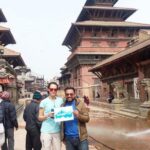
Day 2 is a classic Kathmandu Valley pairing. First up is Patan Durbar Square, located in Lalitpur. It is one of three durbar squares in the valley and is listed as a UNESCO World Heritage site. This is one of those stops where the guide matters because the carvings, courtyards, and symbolism are easier to read with context.
Next is Swayambhunath, known as the Monkey Temple. The plan highlights it as the largest and holiest Tibetan Buddhist temple outside Tibet. The ticket note says admission here is free, but the experience is still packed with atmosphere. Expect a climb of stairs and lots of activity around the temple complex.
Best way to enjoy day 2: move at a steady pace, keep an eye on your belongings, and give yourself time to look up. Many details are on the facades, not just at eye level.
Possible consideration: Swayambhunath and durbar squares can be busy. If you prefer quiet, plan for a slower mood and let your guide lead the timing.
Day 3: the drive to Pokhara, with river scenery and mountain glimpses
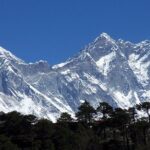
Day 3 transitions from Kathmandu to Pokhara. After breakfast, you drive along the Trisuli and Marsyangdi River. The route is described as scenic, with views of Ganesh Himal and Manaslu peak along the way (when conditions cooperate).
You will likely feel the day is mostly travel, but it is the kind of travel that helps. You trade city noise for a slower rhythm, and you start setting up for Pokhara’s sunrise and lakeside days.
Practical tip: if you get carsick easily, plan for that. The day is not listed as a short transfer, and the road has curves.
Day 4: Sarangkot sunrise and the Naudanda hike that feels like a reset
Day 4 is a two-part day with a very clear purpose.
First is Sarangkot, with an early start for sunrise over the Himalaya. The plan specifically calls out close-up views of Annapurna, Fishtail, and others. If you have only one chance for sunrise views in Nepal, this is the one built into the schedule.
Admission is included for this stop. The ticket detail suggests it is not just a viewpoint from the roadside, it is part of a guided plan.
Next you head to Naudanda via a drive, then hike to Naudanda on a mostly level path. The plan estimates about 3 hours for the hike and then about a 4-hour overall block including the drive back toward Pokhara.
This hike is not described as extreme. It is more like a steady walk that helps you stretch after road time while still giving you rewarding views and village atmosphere.
What to watch for:
early starts mean you should sleep well the night before
comfortable shoes matter here
weather shapes what you see at Sarangkot, so do not plan to get angry at the sky
Day 5 in Pokhara: Devi’s Fall, a Phewa Lake boat ride, and the World Peace Stupa
Day 5 mixes water, viewpoints, and a cultural stop.
You begin with breakfast in Pokhara, then do a boat ride across Phewa Lake. After that, you hike up to the World Peace Stupa, with a note that it may take about an hour. The reward is fantastic views over the lake and the Himalayas.
The plan also names Devi’s Fall with admission included. That means this day is not only about slow scenery. You will also see a natural feature that is well known in the Pokhara area.
A quick reality check: boat rides and hikes can be short, but they are not always shade-friendly. Bring a water plan and consider sun protection.
Days 6 and 7: Chitwan National Park and the Tharu experience beyond the photos
Day 6 is your jump to Chitwan National Park. After an early breakfast, you drive to the park, check into a jungle lodge, and then do a wildlife and culture combo: a Tharu village tour in the evening.
The next day keeps the Chitwan energy going. Day 7 includes jungle walking, plus watching elephants bathing, and a visit to an elephant breeding center. The plan also calls out a Tharu cultural stick dance during supper time, described as exciting.
This is one of the tour’s biggest strengths: it does not treat wildlife as a drive-by checkbox. You get a structured day with both nature time and local culture, and you also get elephant-focused activities tied to the breeding center and bathing routine.
What you will likely appreciate here is the pacing. Chitwan is not about sprinting between landmarks. It is about slowing down enough to notice animals and village life in the same trip.
Possible drawback: this is not a pure comfort trip. Jungle walking and day heat can take more out of you than city sightseeing. If you are sensitive to humidity, pack for it.
Day 8: bird watching morning, then the long ride back to Kathmandu
Day 8 starts with a morning bird watching tour, then a drive back to Kathmandu that takes about 6 hours. You check in to your hotel and keep the evening free.
This is a smart inclusion if you like nature that is not only about big mammals. Bird watching also gives you a calmer start after Chitwan, and it can be a great way to notice how different Nepal can feel between regions.
Because the evening is free, you can do a self-guided dinner, shop for simple souvenirs, or just rest. That flexibility is valuable after days of scheduled stops.
Day 9: Bhaktapur Durbar Square, where heritage feels lived-in
Day 9 is a Kathmandu Valley finale with Bhaktapur Durbar Square. It is described as having immense and tragic historical features, and you spend a day tour focused on this site.
Bhaktapur is one of those places where the details can keep pulling you in. Expect architecture, courtyards, and an atmosphere that feels different from central Kathmandu. Having a guide helps you understand what you are seeing without turning the day into a guessing game.
Ticket admission is included here in the plan. That means you can count on the day being structured around time at the site rather than only passing by.
Day 10: a final Kathmandu wrap-up with time to breathe
Day 10 brings you back to Kathmandu for a final short day block with an admission note marked free. The plan wording is light, but the implication is clear: you have time to wrap up, reflect, and pace yourself before leaving.
This is usually when you want to do the practical things: pick up any items you forgot, revisit a favorite temple area if you still have energy, and do one last meal with a Nepal view.
If your flight is later, use the time. If it is early, at least you have the structure of being done with the major sightseeing loop.
Included meals and how they affect your budget and energy
Meals are part of why this tour can feel smoother than DIY. The package includes:
Breakfast (7)
Lunch (3)
Dinner (2)
You still need to cover food and drinks that are not included, but with breakfast in the schedule most days, you can plan your energy better. It also helps when the itinerary has early starts, like Sarangkot.
My practical advice: on days with hikes and sunrise plans, eat early, then carry a small snack or water if you know you get hungry. Since not all food and drinks are included, plan on some extra spending for drinks, coffee, or snacks.
What I think is most highly praised, and why it matters
The strongest praised aspects in the feedback you provided center on how supported people feel.
First, communication and smooth operations show up repeatedly. Raj is praised for being attentive and responsive by email. That matters because it reduces uncertainty before you even arrive.
Second, guides like Birodh and Ravi are mentioned for professionalism and for explaining places clearly. Even when you are standing in front of impressive sites, it helps to understand what you are looking at.
Third, flexibility and help with personal requests come up in feedback. One solo traveler story notes the operator could cater to a more adventurous style. That kind of adjustment can make the difference between a tour that feels rigid and a tour that feels human.
Finally, the group works well if you show up with a good attitude. One note in feedback mentions haze affecting some sights, which is a real factor in the Himalaya. The best response is to treat it as weather, not a failure.
Who this tour is best for
This tour is a good fit if you:
want a first Nepal trip that covers major regions without self-planning every leg
like a mix of heritage sites, mountain viewpoints, and wildlife days
appreciate having a guide connect history, symbols, and practical details
are traveling in a group and prefer structured pacing
It may be less ideal if you:
hate early mornings (Sarangkot sunrise starts early)
want lots of free time every day (some days have packed blocks)
require a very slow itinerary, because there are long drives
Should you book this Best of Nepal tour?
I would book it if you want an organized intro to Nepal that balances big-name sights with real experiences like Tharu culture and Chitwan wildlife time. At $990, the value is strongest when you factor in guide support, pickup and drop-off, included breakfasts and some lunches and dinners, and the fact that many transfers and major stops are built in.
I would pause and ask more questions if you are very weather-dependent. Sunrise and mountain views can vary. Also, if your ideal trip is mostly relaxing, this route includes enough driving and walking that you should be honest about your stamina.
If you want a clean, well-supported route through Nepal’s highlights, this one is a solid bet.