
Four regions in one well-run circuit.
I like how this trip strings together big Nepal highlights without forcing you to plan every link yourself, with private airport and intercity transfers plus included domestic flights. I also like that it balances culture days with wildlife and lake time, so you get a change of pace instead of nonstop temples or nonstop driving.
Two things I especially like are the Chitwan National Park jungle safari with the dugout canoe ride, and the Pokhara sightseeing package that includes an hour on Fewa Lake plus a sunrise shot from Sarangkot when weather allows it. On top of that, the Kathmandu days come with an English-speaking tour guide, and the company’s guides are praised for being calm, helpful, and easy to work with, including names like Lila and Basanta.
One possible drawback is that sunrise views are explicitly weather-dependent, so if clouds roll in you may lose the best angles from Nagarkot and Sarangkot. Also, the English-speaking guide is only listed for Kathmandu sightseeing, so later days lean more on your driver and escort for context.
Key highlights worth getting excited about
- Private Hiace van transfers for airport-to-hotel-to-airport and key land legs
- Chitwan safari plus dugout canoe ride on the Dungre or Rapti River system, including crocodile viewing (marsh mugger noted)
- Fewa Lake boat ride for about an hour during the Pokhara sightseeing block
- Sunrise opportunities from Nagarkot and Sarangkot, with clear weather-permit wording
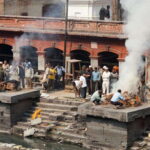
- Kathmandu Valley culture stops including Pashupatinath, Boudhanath, and Patan Durbar Square
- Domestic flights that save you from long road days between Chitwan and Pokhara, and back to Kathmandu
How the 9 days flow, and why it works
This is a classic Nepal sampler, with four settings that feel very different from each other. You start in Kathmandu for temples and heritage sites, head to Chitwan for wildlife, then slow down in Pokhara for lakes and mountain views, and finish with Nagarkot sunrise before returning to Kathmandu.
The practical win is that most of the hard parts are handled: transfers, hotel changes, and a lot of entry fees are bundled in. You spend your time outside in Nepal, not stuck sorting logistics.
The pace is still real. You have a full day drive to Chitwan, plus two domestic flights, so you’ll want to travel with a “plan, but don’t fight it” mindset.
You can also read our reviews of more private tours in Kathmandu
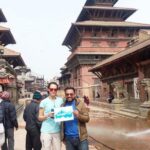
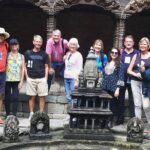
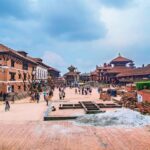
Day 1 in Kathmandu: arriving with a real meet-and-greet
Day 1 is straightforward. You land at Tribhuvan International Airport, meet a company representative, and get taken to your hotel with check-in help.
I like this style for first-time Nepal travel because Kathmandu traffic can be chaotic, and it’s a lot easier when someone is already holding the plan for you. You also get a clear start point, which matters when you’re jet-lagged.
If you’re trying to stay low-stress, confirm your flight details during booking so the meet-and-greet timing matches your arrival.
Kathmandu sightseeing with an English guide: temples that anchor the trip
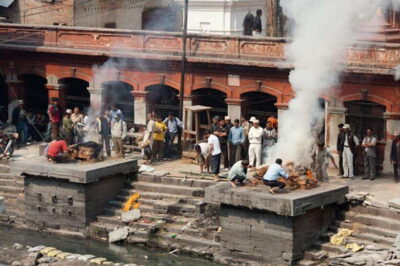
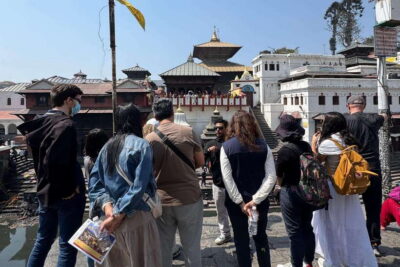
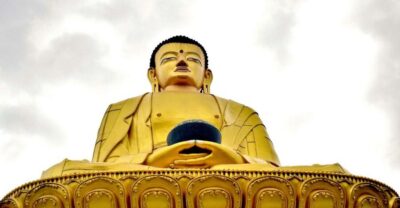
Kathmandu is where the culture-heavy part happens, and it’s the kind of day where having a guide really pays off. You’ll cover Pashupatinath Temple, Guheshwori Temple, Boudhanath Stupa, and Budhanilkantha Temple (Jal Narayan).
Why this set matters is simple. You touch multiple spiritual traditions and architectural styles in one pass, so you start to recognize patterns instead of seeing random sights.
Practical note: dress respectfully for temple stops, and plan for some walking on uneven ground. Even if the tour vehicle gets you close, these are active religious areas, so your feet will do more work than you might expect.
Also, remember the English-speaking tour guide is listed only for the Kathmandu sightseeing portion. If you want deeper explanation beyond what’s scheduled, ask questions during the guide’s time, then rely on your own reading and curiosity afterward.
Nagarkot and Bhaktapur: a heritage plus a view plan
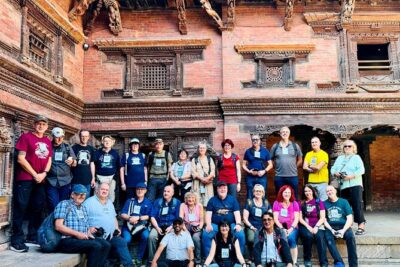
The day you head toward Nagarkot includes an en-route heritage stop. You visit Doleshwor Mahadev Temple and then Bhaktapur Durbar Square, before checking in at Nagarkot.
Bhaktapur is the kind of place where details catch your eye fast: carved stone, courtyards, and the feeling of an old city scale that’s easy to overlook when you’re rushing. This is a good match after Kathmandu because it adds depth without requiring a full day hike.
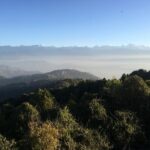
Nagarkot is your “pause” point. You’re up at the Himalayan foothills, and the main reason people come here is the light. The next morning, sunrise is mentioned again, this time as a panoramic view from your hotel premises if weather permits.
Two things to keep in mind. First, mornings can be chilly even when Kathmandu feels warm. Second, sunrise depends on cloud cover, so treat it as a bonus, not a guarantee.
The Chitwan transition: leaving the cities for wildlife time
On the morning leaving Nagarkot, the plan includes sunrise and mountain views from the hotel premises if weather allows it. After that, you drive to Chitwan, a 160 km journey taking about 5 to 6 hours.
This is a long day of sitting, but it’s also why the trip feels efficient. You swap the city streets for the national highway corridor and then land in a totally different environment.
If you’re prone to travel soreness, pack a light layer and use your time on the van for rest rather than expecting scenery photos nonstop. The road is part of the experience, just not the most photogenic part.
Chitwan National Park: safari plus a canoe ride with crocodiles
Chitwan is the star of this tour. You get a dedicated day that includes a jungle safari in Chitwan National Park with the national park fee and entrance fee. Then you move into river time with a dugout canoe ride on the Dungre or Rapti River, with crocodile viewing mentioned, including marsh mugger.
I like that this isn’t just one style of wildlife spotting. A safari gives you land movement and forest edges. The canoe ride gives you calmer water activity, and it often helps you notice animals you might not see from a vehicle.
Timing matters here. A day like this runs long, and the tour lists the day as around 10 hours, so plan to eat and drink steadily. You also get lunch and dinner at the hotel in Chitwan, which is a big value add because it removes decision fatigue during an active day.
One more realistic note. Wildlife sightings are never guaranteed. What you are guaranteed is time in the park with access that includes fees and scheduled activities, so your odds are based on the day, not on whether you planned it yourself.
Pokhara by flight: the shortcut that buys you more relaxing time
After Chitwan, you fly to Pokhara. The transfer is described as taking you to a domestic airport, then a 25-minute flight to Pokhara.
This is one of the smartest “value” elements of the trip. If you had to road-trip between these regions, you’d lose almost a full day. By using flight time, you get more daylight in Pokhara and less fatigue in your schedule.
Once you arrive, the rest of that day is free for leisure, with suggestions like strolling the lakeside. That’s exactly what I’d recommend too. Pokhara is much easier to enjoy when you’re not rushing to a schedule every hour.
Sarangkot sunrise and Pokhara sightseeing with Fewa Lake time
The next day includes an early morning trip to Sarangkot for sunrise over the Himalayas if weather permits, then you return for breakfast and continue with city touring. Stops include Bindebashini Temple and other sites included in the city tour plan.
After that, one of the big included experiences in Pokhara is an hour boat ride in Fewa Lake. This is the moment where the trip turns gentler. You can look up at the peaks from the water without standing in crowds or sprinting between stops.
A good way to enjoy this day is to keep your expectations flexible. Sunrise views depend on clouds, but the lake and the rhythm of Pokhara still deliver even when the sky doesn’t cooperate.
Flying back to Kathmandu, plus Patan Durbar Square
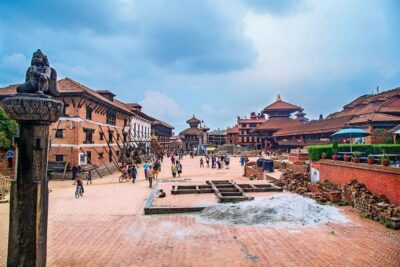
On Day 8, you fly back to Kathmandu, described as a 30-minute flight. After arrival, you visit Patan Durbar Square, then check in for an overnight stay.
Patan works well as a closing cultural stop because it feels related to Kathmandu but distinct in style and atmosphere. It also breaks the repetition of seeing one Durbar Square after another by giving you a different angle on the Kathmandu Valley heritage.
Your final full day is Day 9. You get free time until your departure, then a transfer to the international airport for your onward journey.
Price and value: what $2,189 really covers (and what it doesn’t)
At $2,189 per person for about 9 days, you’re paying for a lot more than transportation. You’re paying for hotel nights across four locations, multiple transfers, domestic flights, and entry fees tied to the scheduled sights.
Here’s what stands out as value:
- Private transfers in a Hiace van for airport-hotel-airport and key land legs
- Domestic flights between Chitwan and Pokhara, and back to Kathmandu
- Chitwan safari with park and entrance fees built in
- Dugout canoe ride in Chitwan tied to the wildlife theme
- Fewa Lake boat ride included during Pokhara sightseeing
- Breakfast included, plus lunch and dinner at your Chitwan hotel
What you should budget for separately:
- Lunch and dinner on most days outside Chitwan
- Drinks and bar bills
- Tips
- Personal expenses
- Any optional add-ons not listed as included, such as the Manakamana Cable Car fee, which is specifically listed as not included
If you compare this to doing everything DIY, the math often favors a packaged plan when you value time. You avoid coordinating flights, hiring drivers for multiple region changes, and tracking entrance fees.
But if your dream trip is lots of unscheduled wandering in each city, the built-in structure may feel a bit tight. You can still add free time, but it won’t be the core design.
Comfort, guides, and timing: the stuff that affects your day-to-day
This tour is private, meaning it’s just your group. That matters more than people expect, especially in places like Kathmandu where routes can shift due to traffic and road conditions.
The transportation is listed as private, and the vehicles are described as Hiace. In the same spirit, the reviews you have about the operation emphasize skilled, safety-minded driving, which is a good sign for a trip that includes both a long day drive and flights.
Two timing realities you should plan for:
- Sunrise activities are weather dependent at Nagarkot and Sarangkot. You might get clear views, or you might get clouds. Either way, the schedule is built to make the early start worth it.
- The Chitwan day is long, with a safari and then a canoe ride. This isn’t a light outing, even with hotel meals included.
Also, the English-speaking guide is only for Kathmandu sightseeing. That doesn’t ruin the experience, but it means you should ask your questions early in Kathmandu, then let later days be more about the experience and less about scripted interpretation.
Who this tour suits best, and who should skip it
This works best for you if you want:
- A first-time Nepal-friendly route with major highlights handled
- A balance of culture days and wildlife days
- Comfort-focused logistics, especially with private transfers
- Private pacing without the stress of planning flights and entry tickets
You might want to skip it if you:
- Want a slow travel pace with lots of free days in one place
- Are expecting constant English guiding outside Kathmandu
- Have a strong need for guaranteed sunrise views
Should you book this Nepal Private Tour?
I’d book it if you’re looking for a structured, high-efficiency way to experience Nepal’s top contrasts: Kathmandu Valley culture, Chitwan wildlife, Pokhara lakes and mountain views, and a foothill sunrise finale in Nagarkot.
Before you book, check one personal thing: are you okay with weather-dependent sunrises and a long drive day? If yes, this tour is a solid way to reduce planning work while still getting real experiences like safari time, river canoe time, and Fewa Lake on the water.
FAQ
What’s included in the tour price?
The price includes private transportation for airport and land transfers (Hiace van), hotel accommodations across Kathmandu, Chitwan, Pokhara, and Nagarkot, breakfasts, and entrance or monument fees in Kathmandu and Pokhara. It also includes Chitwan National Park jungle activities with park access, an hour boat ride in Fewa Lake, domestic flights between Chitwan and Pokhara and between Pokhara and Kathmandu, and a tour escort throughout the trip.
Do you get airport transfers when arriving and departing?
Yes. The tour includes airport to hotel and hotel to airport transfers for both international and domestic legs, using private transportation.
How are you moving between Kathmandu, Chitwan, and Pokhara?
Kathmandu to Chitwan and Kathmandu to Nagarkot, plus the return trip to Kathmandu, are done by private vehicle. Chitwan to Pokhara and Pokhara to Kathmandu are done by domestic flight.
What wildlife and water activities are part of Chitwan?
Chitwan includes a jungle safari with Chitwan National Park fees and a dugout canoe ride on the Dungre or Rapti River to see crocodiles, including marsh mugger.
Is there time for sunrise viewing?
Yes. Sunrise and panoramic views are mentioned from the hotel premises in Nagarkot if weather permits, and there is also an early sunrise trip to Sarangkot if weather permits.
Which meals are included?
Breakfast is included at your hotel each morning. Lunch and dinner are included at the hotel in Chitwan only.
What is the cancellation refund timing?
You can cancel up to 6 days in advance for a full refund. A 50% refund applies if you cancel 2 to 6 full days before the experience start time, and no refund applies if you cancel less than 2 full days before the start time.
More Private Tours in Kathmandu
More Tours in Kathmandu
More Tour Reviews in Kathmandu
Not for you? Here's more nearby things to do in Kathmandu we have reviewed


Private, compared.
 ★ 5.0Private Kathmandu Sightseeing Tour | UNESCO World Heritage sitesFrom $17756 reviews
 ★ 5.0Full Day 7 UNESCO Tour with Lunch – Private/GroupFrom $10415 reviews
 ★ 5.0Private Bhaktapur and Nagarkot Day Tour From KathmanduFrom $20305 reviews
 ★ 5.0Full Day Top 4 UNESCO Tour with Lunch – Private/GroupFrom $10269 reviews
★ 4.9Full-Day 7 UNESCO Tour with Lunch – Private/GroupFrom $5247 reviews
★ 5.0Full Day Top 4 UNESCO Tour with Lunch – Private/GroupFrom $10269 reviews
★ 4.9Full-Day 7 UNESCO Tour with Lunch – Private/GroupFrom $5247 reviews
 ★ 4.97 UNESCO Sites Tour in 1 Day (Private Tour)From $4204 reviews
 ★ 4.9Top 4 UNESCO Tour with Lunch – Private/GroupFrom $5181 reviews
 ★ 4.9Private City Guided TourFrom $40174 reviews