
REVIEW · 1-DAY TOURS
1 Day Kathmandu Valley Sightseeing Tour
Four World Heritage stops in one day.
This Kathmandu Valley tour is built for people who want the big religious landmarks without spending the whole trip planning. You’ll get an 8-hour loop around key sites, starting and ending in Thamel, with an air-conditioned vehicle and a guide to keep things moving.
I like that the route is centered on World Heritage-listed monuments in the valley, so you’re not picking random stops. I also like that you’re not on your own for navigation, because the tour guide helps connect what you’re seeing to what it means.
One thing to consider: site admission and lunch are not included, so budget a little extra and plan for a full day.
Key highlights
- Thamel starting point and return, so you’re not hunting for meeting coordinates all day
- Air-conditioned vehicle and parking fees included, which matters in Kathmandu traffic
- A focused World Heritage route, built around major religious sites
- About two hours at each stop, a solid pace for seeing plus asking questions
- Admission tickets not included, so you’ll pay at the sites
- Private group with mobile ticket, which usually means less waiting around
The Kathmandu Valley plan: a full day with a clear rhythm
This is an all-day sightseeing tour, about 8 hours, designed to fit four major stops into one smooth loop. The structure is simple: you move from one landmark to the next, and you get roughly two hours per site. For first-timers, that timing is helpful. You get enough time to look around, take photos, and ask questions, without the feeling that you’re constantly rushing to the next gate.
Starting from Thamel is also a practical win. Thamel is where most visitors stay, so the meeting point is easy to reach. The tour ends back at the meeting point, which means you don’t have to reorganize transportation after the last temple stop.
You should expect this day to be active, mostly because Kathmandu Valley sites are spread out, and you’ll spend time walking through temple areas and courtyards. The good part is that the tour takes care of the hard part, transport and site sequencing. You spend your energy on the sights, not logistics.
A few more Kathmandu tours and experiences worth a look
Pickup, AC vehicle, and the small things that save time
The tour includes pickup offered and uses an air-conditioned vehicle, which can feel like a lifesaver on a hot day or after a busy morning. Parking fees are covered too, so you’re not dealing with little payment stops along the way.
It’s also listed as a private tour/activity, meaning only your group participates. That can change the vibe in a good way. You’re more likely to get personalized timing, and your guide can adjust the pace when a site is crowded or when questions take longer than expected.
You’ll also have a mobile ticket. For Kathmandu, where paper tickets can be a hassle, having a phone ticket reduces friction at the start of the day.
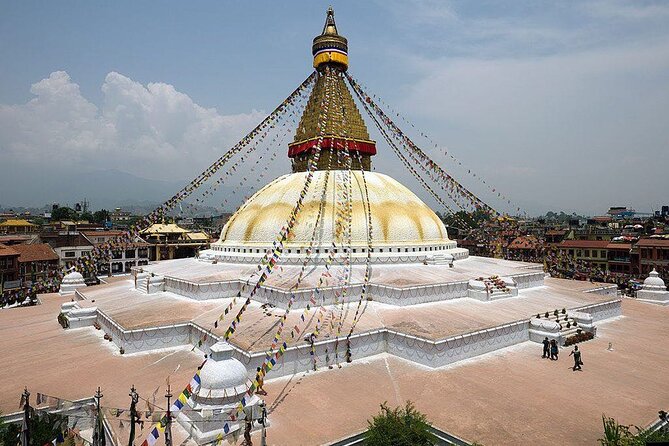
Boudhanath Stupa: the first World Heritage anchor
Your first stop is Boudhanath Stupa, one of the World Heritage-listed landmarks in the Kathmandu Valley. You’ll spend about two hours here, and the tour guide will help you make sense of what you’re looking at.
Why start here? This stupa area sets the tone for the whole itinerary. It’s a strong introduction to the valley’s spiritual identity, and it’s a good place to settle into your day. When you’re starting with a landmark of this scale, everything after feels easier, because you understand the theme of the trip from the beginning.
A practical consideration: admission is not included. If you want fewer surprises, keep some cash or plan for the on-site payment method ahead of time. Also, arrive ready to spend time looking, not just snapping a quick photo. The two-hour window is what makes the stop worthwhile.
Pashupatinath Temple: Hindu pilgrimage focus and Lord Shiva at the center
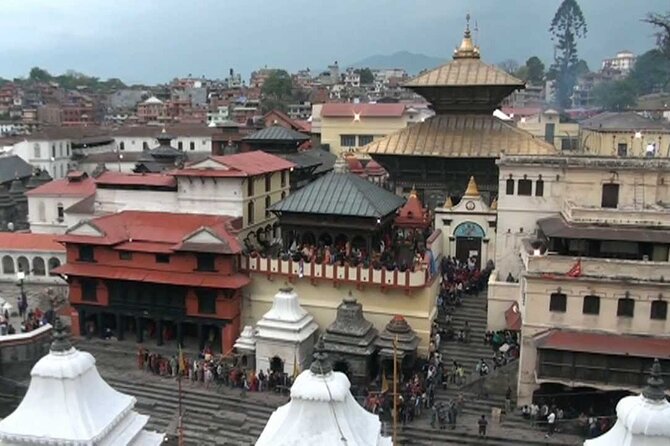
Next up is Pashupatinath Temple, presented as a major Hindu pilgrimage destination, with the main shrine dedicated to Lord Shiva. This is the kind of site where learning the basics in advance helps. Even if you’ve visited temples before, the importance of this one comes through fast once you know what the place is dedicated to.
You’ll get about two hours at the temple area. That’s usually enough time to slow down and understand the layout, the devotional atmosphere, and where to focus your attention. It’s also enough time for your guide to answer the questions that naturally come up when you’re looking at a working pilgrimage site rather than just a monument.
Again, admission tickets are not included. So, plan for a paid entry moment. If you’re trying to keep your day smooth, do this early in the schedule so you’re not scrambling later for budget.
Swaymbhunath: hilltop setting, prayer flags, Buddha statues, and the dome
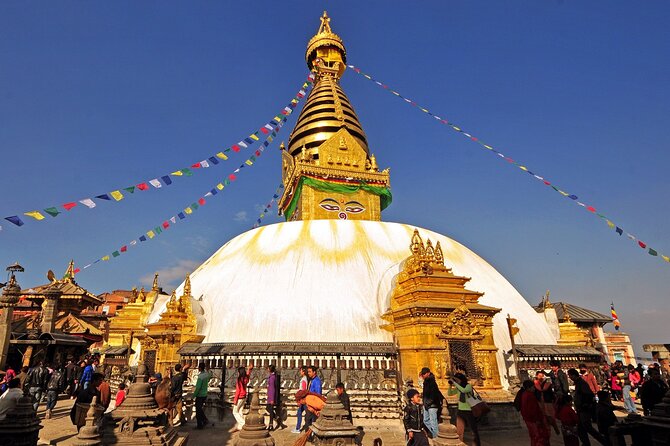
After Pashupatinath, the tour heads to Swaymbhunath, described as a temple located at the top of the hill. This is one of the stops where the description alone tells you it’s visually rewarding. Expect to see Buddhist prayer flags, Buddha statues, and a large dome on top.
The hilltop location is part of why people love this stop. You’re physically higher up, and that changes how you experience the place. It also means you’ll likely have a mix of viewpoints while you’re walking around. You’ll have about two hours, which is a good length for taking in the main features without feeling stuck in one exact spot.
What I’d watch for: time management. Two hours sounds plenty, but when you reach places like this, you’ll want to stop often to look at details like the flags and statues. Give yourself permission to slow down. That’s one of the reasons this tour works as a one-day package, it builds in room for attention.
Admission tickets are not included, so the same practical tip applies. Keep your budget ready for on-site entry fees.


Kathmandu Durbar Square: an open-air museum of temples and the Kumari Ghar
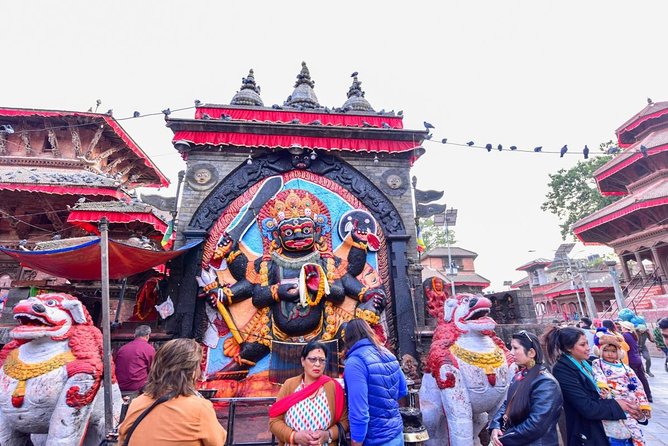
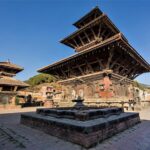
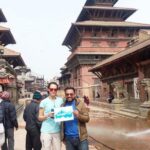
Your final major stop is Kathmandu Durbar Square, described as an open museum filled with cultural attractions. This is where you shift from primarily religious experience to cultural and architectural focus.
You’ll spend about two hours here, and the site is described as featuring Shikhara-style temples, museums, archaic collections, various deity images, and the Kumari Ghar (listed as the Abode of the …). That list matters because it signals what kind of visit this is. It’s not only about worship. It’s about art, tradition, and the way the city tells its story through buildings and objects.
The best way to use your time at Durbar Square is to let the guide point out what you’re looking at. When you know what you’re seeing, a square like this becomes more than a photo stop. It becomes a map of local identity.
A drawback to keep in mind: admission is not included here either. So, just like the other stops, budget for entry fees. Also, since this is the last big site of the day, you’ll be more tired by then. If you’re the type who wants one last long look, arrive with energy, not afterthoughts.
Price and value: what $35 really covers, and what you must add
The price is $35 per person, and that can feel like a bargain for an 8-hour day that includes an air-conditioned vehicle, parking fees, and a tour guide. The key is understanding what the price does include versus what you pay separately.
Included:
- Air-conditioned vehicle
- Tour guide
- Parking fees
Not included:
- Lunch
- Admission tickets at each stop
So the real cost is $35 plus whatever you spend on site admission and lunch. If you plan ahead and treat those as separate line items, the total becomes easy to handle. If you don’t, you can end the day feeling surprised instead of satisfied.
For value, I also like how the timing works. Paying for a guide is only worth it when the guide helps you interpret what you’re seeing and keeps the schedule from turning into a chaotic shuffle. This itinerary has enough structure that the guide’s job is practical, not just ceremonial.
Planning your day: booking timing, weather, and comfort tips
On average, this tour is booked about 7 days in advance, so it’s smart to reserve early if your dates are fixed. Kathmandu can be busy, and one-day itineraries with set stops tend to fill.
The experience also requires good weather. If weather turns, the tour can be changed to a different date or you can get a refund. That’s important because temple sites are mostly outdoors or outdoor-adjacent.
Comfort-wise, I’d dress for a long day that includes temple areas. Expect some walking and time spent standing in and around entrances. Also, since lunch isn’t included, bring your plan. If you wait until the end of the day to figure it out, you might end up eating somewhere convenient but not necessarily great.
One more practical note: it’s near public transportation, which can help if you need an alternate route to reach Thamel or the meeting area.
Who this tour fits best, and who might want a different pace
This is a strong fit if you:
- want World Heritage-listed stops in one day
- prefer guided context rather than reading everything yourself
- like the convenience of Thamel pickup and return
- appreciate a schedule with about two hours per stop
It can also work well for people traveling in a group, because it’s designed as a private tour for your group. The tour includes a group-discount structure too, which can make the per-person cost feel even better if you’re sharing with friends.
Who might not love it? If you hate being on a tight schedule, you might find four major sites in one day a lot. This is a sightseeing loop, not a slow cultural walk where you linger all day in one place.
Service animals are allowed, and the tour lists that most travelers can participate, so it’s fairly broad in who can handle the day. If you have any mobility concerns, you’ll want to think about the total walking time across multiple stops.
Should you book this one-day Kathmandu Valley tour?
I’d book it if you want a simple, high-coverage introduction to Kathmandu Valley’s major religious landmarks, with AC transport, a tour guide, and a schedule that keeps you moving without turning into a sprint.
Skip it or consider something else if you have no interest in temple-and-heritage touring, or if you’re trying to keep the day very light. Also, if you have a tight food budget, remember lunch isn’t included, and you’ll pay admission tickets at the sites.
If you’re booking soon, I’d aim for about a week ahead. You’ll lock in the dates and give yourself time to budget for admissions and lunch, so the day feels smooth from Thamel to Durbar Square and back.
FAQ
How long is the 1 Day Kathmandu Valley Sightseeing Tour?
It’s listed as about 8 hours.
Where does the tour start and end?
It starts in Thamel, Kathmandu 44600, Nepal and ends back at the meeting point.
Is pickup included?
Yes, pickup is offered.
What’s included in the tour price?
The tour includes parking fees, an air-conditioned vehicle, and a tour guide.
What is not included?
Lunch is not included, and admission tickets are not included at the stops.
Is this a private tour?
Yes. It’s listed as private, so only your group will participate.
When do I need to book for best results?
The tour is on average booked 7 days in advance.
What is the cancellation policy?
You can cancel for a full refund up to 24 hours before the experience’s start time. If you cancel less than 24 hours before, you won’t receive a refund. The tour also requires good weather, and if it’s canceled due to poor weather, you’ll be offered another date or a full refund.
More 1-Day Tours in Kathmandu
More Tours in Kathmandu

More Tour Reviews in Kathmandu
Not for you? Here's more nearby things to do in Kathmandu we have reviewed


1-Day Tours, compared.
 ★ 4.97 UNESCO Sites Tour in 1 Day (Private Tour)From $4204 reviews
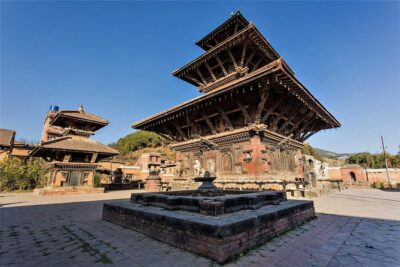 ★ 5.0Day Trip to Bhaktapur and Panauti from KathmanduFrom $34184 reviews
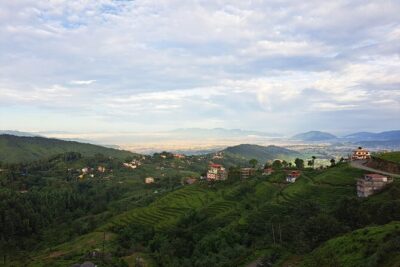 ★ 5.0The Most Beautiful 1 Day Experience in Kathmandu NepalFrom $8084 reviews
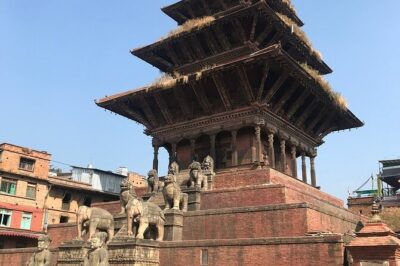 ★ 4.0Nagarkot Sunrise & Bhaktapur Heritage Tour -Private Full Day TripFrom $6042 reviews
 ★ 4.5Chandragiri Hill Day Trip from KathmanduFrom $6525 reviews
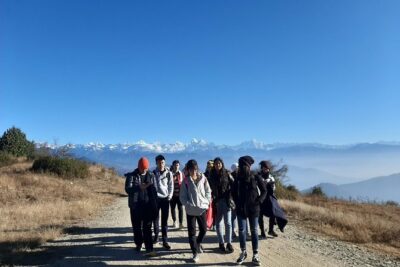 ★ 5.0Amazing 1 Day Trekking Experience in Kathmandu NepalFrom $13024 reviews
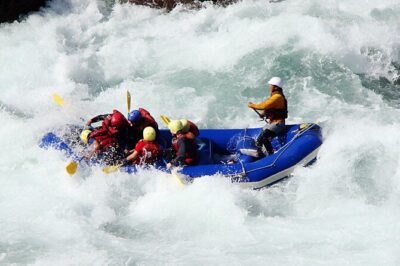 ★ 4.0Himalayan White Water Rafting Day Trip from KathmanduFrom $5222 reviews
 ★ 5.0Short Day Trip Hiking with 1 Hour Spa Massage in KathmanduFrom $15011 reviews
Browse the lists this tour appears in