

REVIEW · FOOD
Kathmandu Local Food Hunt Tour
Kathmandu tastes better on foot. This half-day food hunt pairs street-market snacks with temple stops, so the flavors come with context, not just an address. I like that you are not stuck in one restaurant, you are walking through real local life, from morning market noise to the incense-and-bell atmosphere near Kathmandu Durbar Square.
I also like the practical pacing: you’ll try at least 5 dishes and drinks in about 4.5 hours, with hotel pickup and drop included. One possible drawback: if you have food allergies, this tour is not positioned for that, so you may want to look for a stricter allergy-friendly option.
Key Highlights You’ll Actually Care About

- Minimum 5 dishes and drinks, so you leave fed, not just curious
- Hotel pickup and drop, which matters in Kathmandu traffic and timing
- Asan street market access, where you see how people shop and snack
- Kathmandu Durbar Square temple-area stops, for atmosphere plus food choices
- Vegetarian or vegan friendly, with tailoring if you tell your guide
- English-speaking guide, useful for names, ingredients, and what you’re tasting
Why This Kathmandu Food Hunt Beats A Standard Meal

I like food tours that teach you what to notice, not just what to swallow. Here, the concept is simple: walk with a local guide through the areas where people actually eat and shop, then sample what you see. That turns Kathmandu from a set of sights into something you can experience with your stomach, your nose, and your ears.
You also get structure in a city that can feel chaotic if you go alone. Your guide is there to point out what’s happening on each stop, explain what you’re looking at, and guide your choices so you’re not stuck guessing what’s safe, filling, or worth your money. In a city famous for temples and street food, that kind of hand-holding is real value.
The other advantage is the timing. A 4.5-hour format means you can fit it into a busy day without feeling like your entire vacation is a food line. You’ll still walk, so bring comfortable clothes and shoes, but you won’t be trapped out all day.
You can also read our reviews of more tours and experiences in Nepal.

Hotel Pickup, Then Straight Into Asan’s Market Energy
The tour starts with hotel pickup and drop, which is not a small detail in Kathmandu. If you’ve ever tried to coordinate rides and meet-ups in a busy city, you know how quickly plans can get messy. Here, you meet your guide and head out, so you can spend your time on tasting and learning instead of hunting for the meeting point.
From there, the first major stage is the Asan street market area, one of Kathmandu’s busiest zones. This is the point where your guide helps you get your bearings fast, explaining what you’ll see and where to focus. You’ll move toward the market’s busiest street activity, and your guide’s narration is meant to keep you from just drifting around.
What you can expect to notice at Asan:
- Food and snack sellers side-by-side with everyday commerce
- Ingredients and flavor cues you can’t really get from a menu
- Vendors with items like spices, tea, and cookies, the kind of things people buy and share
There’s also a “food education” angle. Markets aren’t only about what to eat. They show you how people shop, what’s popular in the moment, and how vendors present small portions so you can sample as you go. If you’ve ever worried that you might order the wrong thing, a market-led route is the cure. You follow your guide’s lead, then you start to recognize patterns for what looks fresh and what looks like it’s moving with regular customer demand.
Kathmandu Durbar Square: When Temples and Food Choices Meet

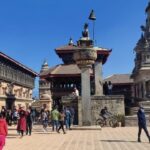
After Asan, the tour brings you near Kathmandu Durbar Square, tied to the 16th-century palace of Pratap Singh Malla. The setting matters because you’re no longer just tasting street food. You’re surrounded by historic architecture, old shops, and temple activity, all of which shapes the mood around what you’re eating.
This stop is described as an area where you’ll find:
- Old shops selling practical items like spices, tea, and cookies
- Crowds of people praying in temples
- Sensory details like temple bells and incense in the air
If you love travel that has a spine, this is the part that gives the tour its soul. Street food is sensory and immediate. Temples are slower and emotional. Put them together, and suddenly you understand why food here is not just fuel, it’s part of daily life and ritual rhythms.
One caution to keep in mind: Durbar Square and nearby lanes can be crowded and active. The tour is designed for walking, but you should stay aware of foot traffic, vendor stalls, and sudden bottlenecks where groups pause to eat and listen.
How The Tasting Actually Works In 4.5 Hours

The big promise is straightforward: you’ll try a minimum of 5 dishes and drinks. That’s a useful benchmark because it signals you’re not doing a token bite at each stop. In practice, you should expect a mix of small plates and drinks, spaced through the route so you can keep moving without feeling stuffed from the first tasting.
Your guide also gives you a running explanation of what you’re seeing and why. That matters for two reasons.
First, it helps you taste with understanding. When you know what an ingredient is and how it’s commonly used, you notice flavors you would otherwise miss. Second, it sets you up to make smarter choices after the tour, when you’re back on your own and deciding what to eat next.
You’ll also have a bottle of drinking water included. That’s smart for long walks in Kathmandu where you might be outside more than you expect.
Alcohol is not included, and the tour notes alcohol and drugs are not allowed. That’s good for keeping the group experience focused and comfortable, especially since you’re on foot through busy streets.
Vegetarian And Vegan: Easy Tailoring, If You Speak Up

One of the most practical selling points is that vegetarian and vegan needs can be catered to easily. You just need to tell your guide. That’s the key. If you wait until you’re handed a plate, you can lose time and possibly end up with something you cannot eat.
This tour is set up to be flexible, which is a big deal for food in Nepal. Street menus often include animal products and dairy, but with the right guidance you can still find satisfying choices. Since the tour is guided, your guide can steer you toward dishes that match your preferences while still keeping the tour feeling like a real street-food crawl.
If you have dietary restrictions beyond vegan or vegetarian, the safest move is to share them clearly in advance so the guide can plan. And if you have food allergies, keep in mind this tour is not suitable for people with allergies, based on the information provided.
The Guide Makes Or Breaks It, And Here It’s A Strong Point

A food tour is only as good as the guide on the ground. The best part of this experience, based on a recent booking, is that the guide actually knows where to send you.
In one five-star review, Aakancha from India highlighted Mr. Rajan as the guide and specifically called out that he took them to the best places to eat in Kathmandu. The review also mentioned there was a lot of food, and that it was all good. That combination, good locations plus enough quantity, is what turns a “nice idea” into a memorable afternoon.
Even if you don’t get Mr. Rajan, the important takeaway is the tour’s design relies on local guidance and good vendor choices. Your guide isn’t there to watch you eat. They’re there to help you get to the right stalls and make the most of the time.
Price and Value: Is $55 Worth It?
At $55 per person for about 4.5 hours, the value depends on what you personally want from the experience.
Here’s what you’re paying for, in concrete terms:
- Hotel pickup and drop, so you save time and hassle
- An English-speaking guide who helps with navigation and food explanations
- Market and temple-area walking with structured stops
- At least 5 dishes and drinks included
- Water included
If you were to try to replicate this on your own, you’d need to spend time figuring out where to go, what to order, and how to do it safely while still tasting enough variety. Even if street food seems cheap, the hidden costs are your time, transport, and trial-and-error.
For me, the best value angle is that this price buys you confidence. You’re not just paying for food. You’re paying for an organized route in the places where street food and daily life overlap.
If you prefer quiet, sit-down dining only, this route might not match your style. But if you want a guided sampler of Nepalese flavor with cultural context, the math is pretty favorable.
What To Bring, And How To Stay Comfortable While Walking

This is a walking-focused tour. You’ll want:
- Comfortable shoes
- Sunscreen
- Comfortable clothes
That’s not just generic advice. In a market-and-temple route, you’ll be on your feet for stretches, and crowds can slow your pace. Comfortable shoes keep you from turning the second half into an ankle test.
Also, remember the rule about alcohol. Alcohol and drugs are not allowed. If you were thinking you could “make it a night out,” this is not that kind of experience.
Finally, people with food allergies should be careful. The tour notes it is not suitable for allergies, so do not assume you’ll be able to swap safely without risk.
Who This Tour Suits Best

This Kathmandu Local Food Hunt Tour is a strong fit for you if:
- You want street food variety without having to plan a route
- You like culture that you can sense, temples, incense, busy markets
- You want a guided experience that works even if you are vegan or vegetarian
- You’re short on time but still want to feel like you covered more than one neighborhood
It may be a poor fit if:
- You have food allergies and need strict allergen management
- You don’t enjoy walking through crowded lanes and market activity
Should You Book This Kathmandu Local Food Hunt Tour?
I’d book it if your goal is a practical, high-reward afternoon: enough tastings to count, a guide who helps you find the right stalls, and a route that connects food to Kathmandu’s temple rhythms.
Skip it if you need allergy-safe planning, or if you would rather sit down for one big meal. This tour is designed for movement and sampling.
If you do book, send your dietary preferences to your guide clearly ahead of time. That one step helps you get the best experience with the least stress.
FAQ
How long is the Kathmandu Local Food Hunt Tour?
The tour lasts about 4.5 hours.
How much does the tour cost?
The price is $55 per person.
Does the tour include hotel pickup and drop?
Yes. Pickup and drop off from your hotel are included.
How many dishes and drinks will I try?
You will try a minimum of 5 dishes and drinks.
Is the tour suitable for vegetarians or vegans?
Yes. The tour can be tailored easily for vegan or vegetarian needs if you tell your guide.
Is an English-speaking guide provided?
Yes, an English-speaking guide is included.
Are alcoholic beverages included?
No. Alcoholic beverages are not included, and alcohol is not allowed.
Is the tour suitable for people with food allergies?
No. It is not suitable for people with food allergies.
More Tours in Nepal
More Tour Reviews in Nepal
Not for you? Here's more nearby things to do in Nepal we have reviewed
Food, compared.
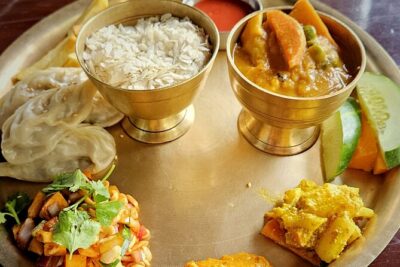 ★ 5.0Kathmandu Food and Drink Walking TourFrom $36266 reviews
★ 4.9Food and Drink Walking TourFrom $28119 reviews
★ 5.0Kathmandu Food and Drink Walking TourFrom $36266 reviews
★ 4.9Food and Drink Walking TourFrom $28119 reviews
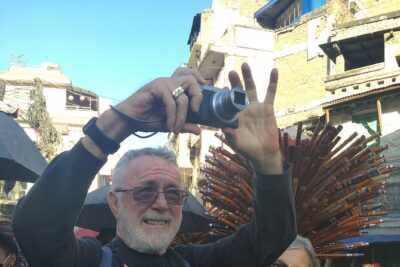 ★ 5.0Walking Street Food Tour in KathmanduFrom $48111 reviews
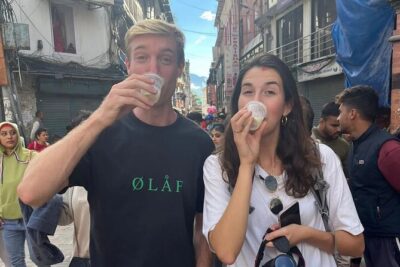 ★ 5.0Secret Food Tour – Food Bites and Sights Kathmandu 14+ TestingsFrom $3582 reviews
 ★ 4.7Kathmandu Secret Food Crawl & Local Market TourFrom $2854 reviews
 ★ 5.0Kathmandu Food & Drink and Shopping Rickshaw TourFrom $2548 reviews
 ★ 5.0Walking Food Tour in Hidden Local Eateries of KathmanduFrom $3640 reviews
 ★ 5.0Kathmandu Food Crawl & Market TourFrom $2526 reviews
Browse the lists this tour appears in