
REVIEW · CHITWAN SAFARI TOURS FROM KATHMANDU
Kathmandu/Pokhara: Wildlife, Culture and Jungle Safari Tour
Wild animals and Tharu culture, in one tight loop. I really like the way this trip combines Chitwan National Park wildlife time with an evening Tharu cultural dance show and genuine village visits. You also get a structured day with a Jeep safari or elephant ride, a Rapti River canoe session, a jungle walk, and an elephant breeding-center stop without needing to plan anything. One thing to weigh: the long road leg between cities can run late, and one review specifically complained about bus comfort and timing.
I also like that the tour is built for real downtime between activities, not nonstop herding, with meals included and a full day in Sauraha rather than a rushed “drive-by.” If you’re choosing between a Jeep safari and an elephant ride, do it with your priorities in mind, since one review raised concerns about elephant handling at some facilities.
Key Moments That Make This Tour Worth Your Time
- Tharu culture at the community hall with dance and a dinner that tastes like you’re in the region, not at a generic restaurant
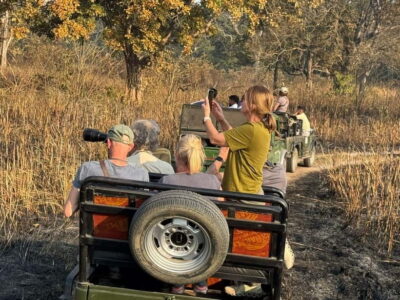
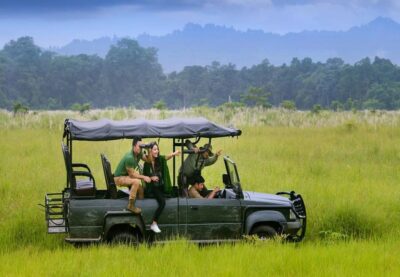
- Jeep safari or sharing-basis elephant ride inside Chitwan, with a guide helping you spot wildlife
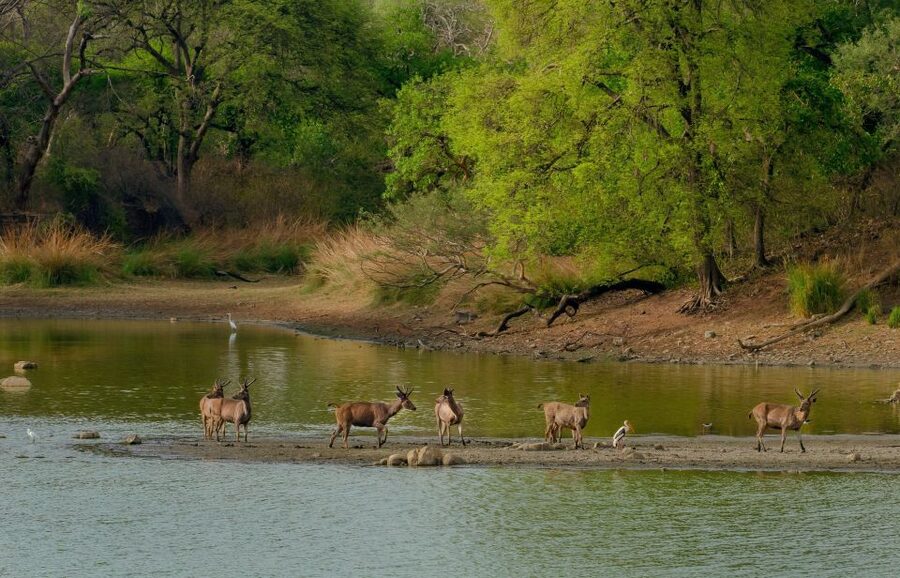
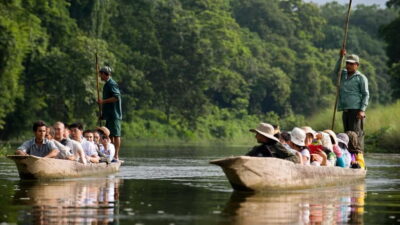
- Rapti River canoeing for a slower view of birds, riverside wildlife, and crocodile country
- Jungle walk plus bird watching to turn the park from a drive route into an actual nature experience
- Elephant breeding-center visit to learn about conservation, then a Tharu village tour for daily-life context
Kathmandu and Pokhara to Chitwan: The Logistics That Matter
This is a practical “two-city” setup. You start in either Pokhara or Kathmandu, get picked up near Thamel (Kathmandu), Baidam (Pokhara or Kathmandu area depending on routing), or Lakeside Road (Pokhara), and then travel to Sauraha, the main base for Chitwan National Park activities.
In the standard plan, the driving time is described as about 6 hours each way, with pickup followed by a coach transfer. Your tour also includes round-trip transport between the city you start in and Sauraha, plus hotel pickup and drop-off.
Here’s the real-life part you should plan around. One traveler reported that the road trip stretched from an expected 5 hours to 9 hours in each direction, describing a bus that felt dirty and lacking air conditioning. That doesn’t mean it will happen to you, but it does mean you should bring a flexible mindset, water, and patience for traffic.
Jeep Safari vs Elephant Ride: Pick What Matches Your Values
The wildlife day gives you a choice: a Jeep safari or an elephant ride on a sharing basis. Either way, you’re going into Chitwan with a guide who helps you find animals in their habitat, and you’ll want your camera ready because the best sightings are often short and unexpected.
If you’re traveling with kids or want a steadier experience, the Jeep safari is usually the easier “I can repeat this moment many times” option. You get more chances to reposition for sightings, and you can keep your hands free for binoculars and photos.
If you choose the elephant ride, think beyond the fun angle. One review specifically raised worries about how elephants are treated at small facilities, saying the elephants were handled in harmful ways. The tour itself frames the elephant part as a ride option and later includes a stop at an elephant breeding center, but the ethical question is still yours to decide. If animal welfare matters a lot to you, ask your operator what you’re actually supporting, and consider whether the Jeep option better fits your comfort level.
Day 1 in Sauraha: Check-In, Tharu Dance, and a Dinner That Feels Local
After pickup, you head to Sauraha, where you’ll be checked into your accommodation. Rooms are described as private single, twin, or triple options with air conditioning, and the stay is at Chitwan Village Resort or a similar Rainbow Safari resort. There’s also a higher-tier option if you choose the 5-star Greenpark resort.
That first evening is about settling in and getting your cultural footing. You’ll attend a Tharu cultural dance program at the community hall. This is one of the most praised parts of the experience because it connects you to the people who live in the region, not just the animals in the park.
Then comes dinner with included meals throughout the tour. The food is positioned as authentic Tharu and Nepali cuisine, and one review highlighted that the resort served very tasty meals. If you’re tired from the road, that’s a key value point: you don’t have to “find food” after a long transfer.
Day 2 in Chitwan: Safari, Rapti River Canoe, Jungle Walk, and Conservation Learning
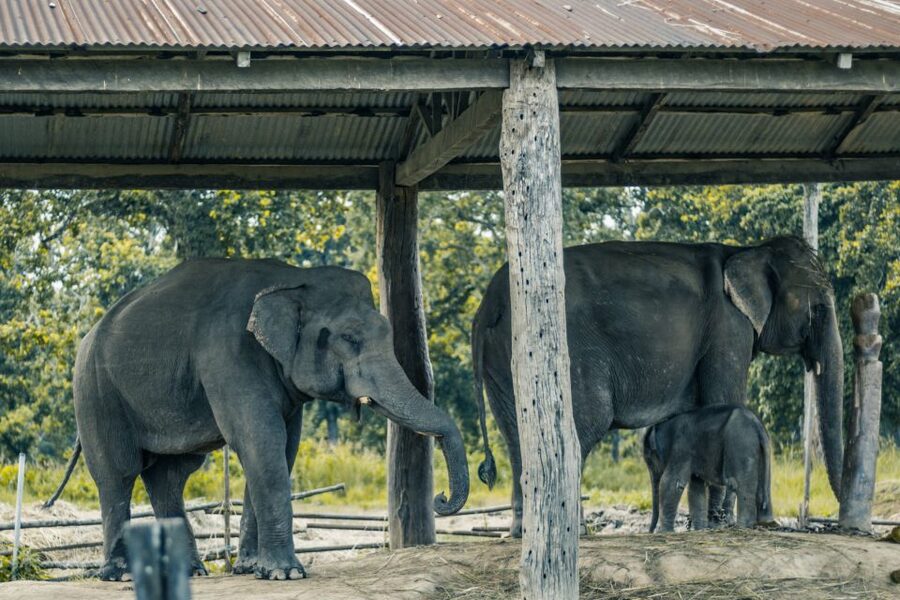
Day 2 is the heart of the itinerary. You start with breakfast and then move into wildlife time. Your guide prepares you for a Jeep safari or the sharing-basis elephant ride through Chitwan’s jungle area.
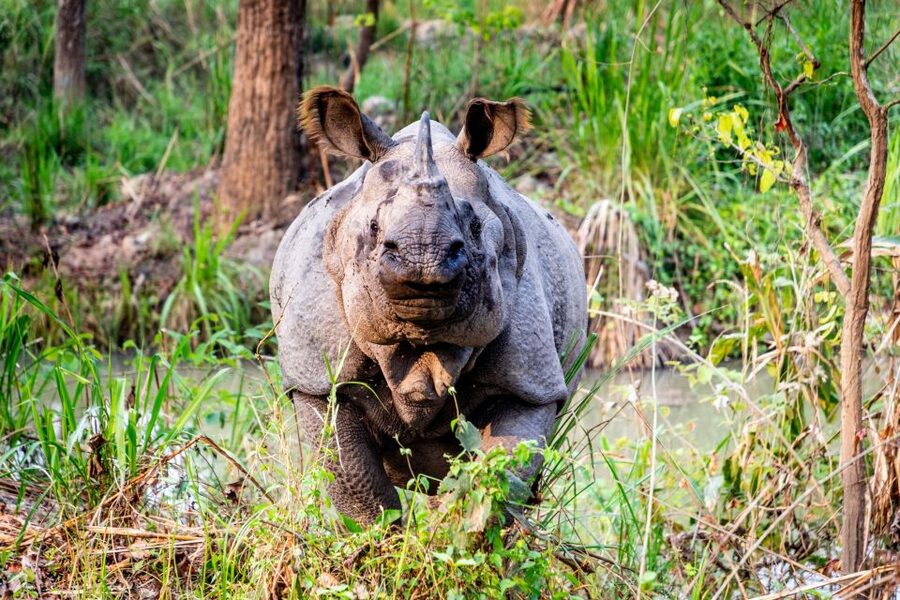
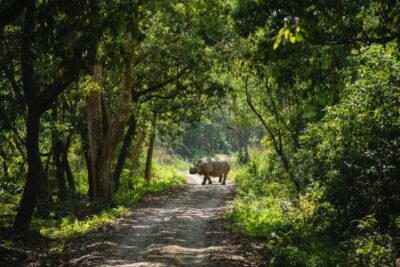
One standout detail from the experience: the safari is guided with an emphasis on seeing major animals, with mentions of rhinos and tigers. Even if you don’t see every animal, the point is that you’re not just driving randomly. You’re going out with a ranger-style perspective, and your guide helps you interpret signs in the environment.
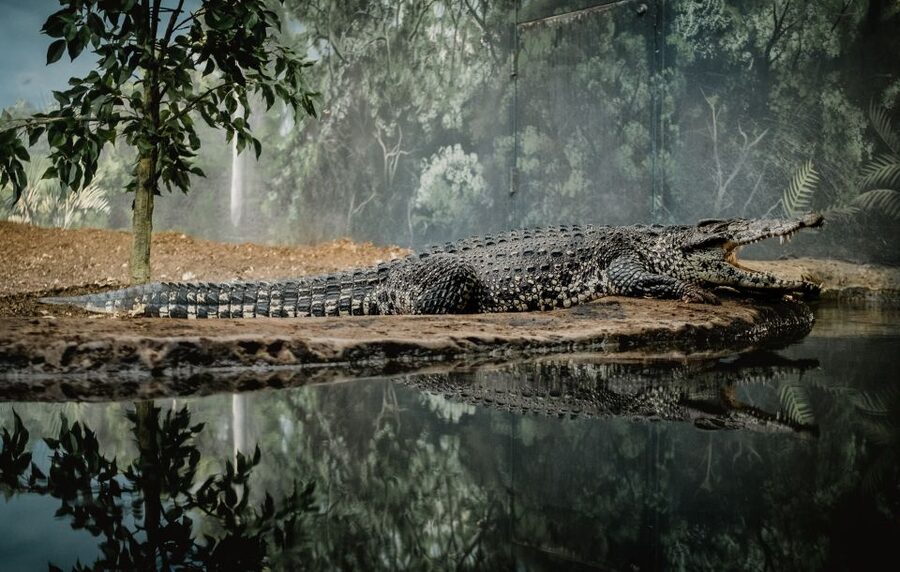
After the safari, you’ll have lunch back at your base. Then the day slows down with a canoe ride on the Rapti River. This is not a quick photo stop. You’ll glide along calmer water while keeping watch for riverside wildlife, including crocodiles and elephants near the water. Birdlife is also part of the experience, which is perfect for people who like the “small stuff” as much as the big sightings.
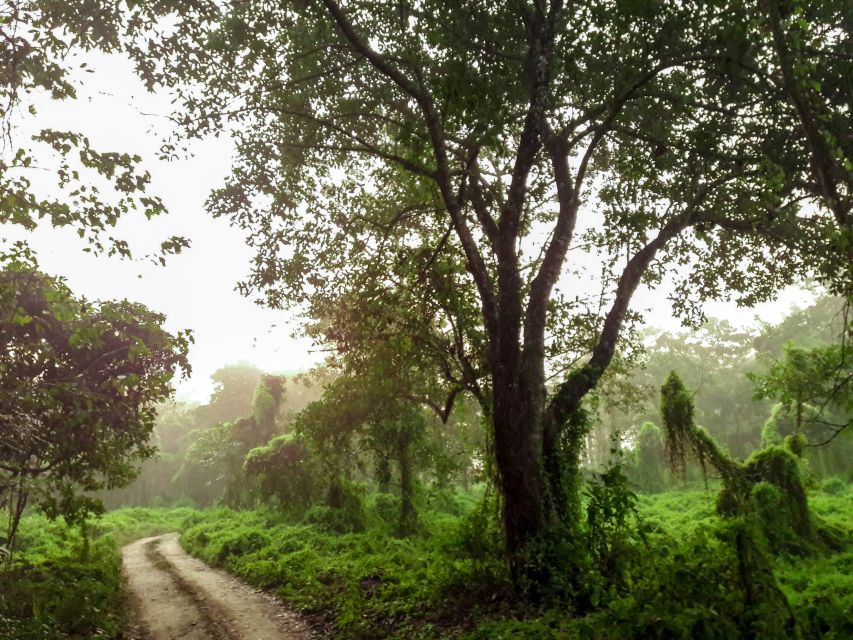
Next is a guided nature walk and bird watching. You’ll follow paths in the jungle area and learn about native plants and wildlife specific to the region. This part matters because Chitwan can feel like “just trees” if all you do is ride in a vehicle. A walk turns the park into a place you can understand with your ears and eyes, not only from a window.
Finally, you visit an elephant breeding center. The tour frames this as educational and tied to conservation. Even if you’re not choosing the elephant ride option, this stop can give you a fuller picture of how elephants are managed and protected in Nepal.
Then you shift into human-scale culture with a Tharu village visit later in the day, where you can interact with local people and see everyday traditions like art, music, dance, and local food.
Tharu Village Tour: More Than a Performance
The cultural stops are not only stage shows. The plan includes a Tharu village tour, with time for interaction rather than a rushed look-and-leave. You’ll have the chance to explore village art, listen to music and dance, and experience food and daily life.
This is one of the best ways to balance the wildlife intensity with something human. In Chitwan, the wildlife story is inseparable from the communities living beside it. The Tharu culture angle gives you context for why this area works as more than a scenic destination.
One review specifically praised the warmth and authenticity of the Tharu village interaction. Another traveler mentioned that the guide and staff made the trip feel smooth, friendly, and memorable, which tends to happen when cultural moments are handled respectfully and with real time.
Where Guides Can Make or Break the Day
Your experience depends on the quality of the people running it. Himalayan Nomad Treks Pvt. Ltd. is the provider, and there are some clear examples from reviews.
One traveler highlighted Mr Ramesh from Himalayan Nomad Treks as helpful during the whole trip, and also said he supported them when a curfew affected plans and they needed help getting to the airport safely. Another praised Mr Ram Babu, their Chitwan Ranger, as knowledgeable about the national park.
Even without naming every detail of each guide’s style, you can take a practical lesson from this: when you book, ask who your guide will be in Chitwan and what you can expect from the safari briefing. You want someone who can point out tracks, bird calls, and the kind of animal behavior that you might miss if you’re only watching for obvious movement.
Return Day to Pokhara or Kathmandu: What You Keep From the Park
On the final morning, you’ll have breakfast and then ride back to your starting city, with the transfer described as about 6 hours. The goal is to get you home with enough energy to continue your trip in Pokhara or Kathmandu, not to keep you sightseeing right after a long wildlife day.
For most people, what you carry from Chitwan is not only the animal sightings, but the rhythm of the day. Safari, canoeing, a jungle walk, then village time. That combination helps you remember the park as a system, not a single highlight.
Packing List for Comfort (So You Actually Enjoy Day 2)
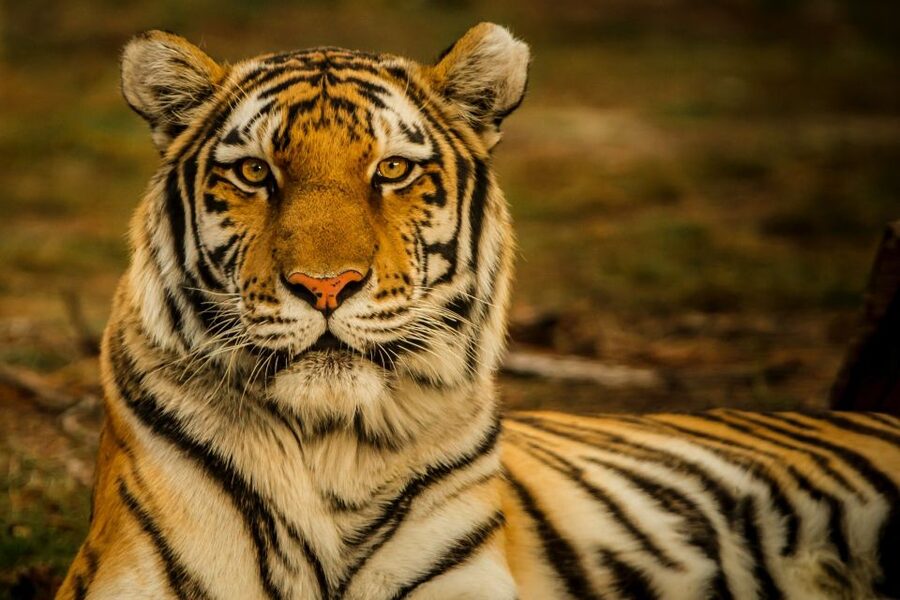
The tour’s basic “bring” list is sensible, and I’d treat it as a minimum.
Bring: passport or ID card, camera, sunscreen, comfortable clothes, binoculars, towel, hat, sunglasses, and water. If you’re the type who sweats easily, pack light layers for warm jungle air. For photos, binoculars can make a big difference for birds and distant movement.
One small practical tip: if you choose the canoe ride, dry your towel between stops and keep your water accessible. You’ll spend time outdoors, and you don’t want “forgotten basics” to turn into stress.
Price and Value: Is $120 a Good Deal Here?
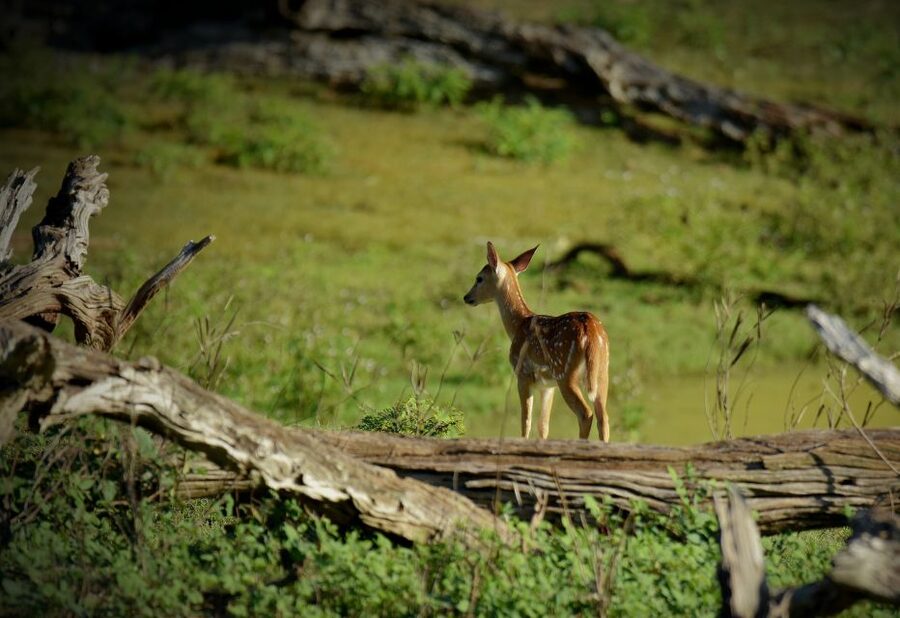
The price listed is $120 per person for a 2 to 3 day style experience. On paper, that sounds simple, but the value comes from what’s bundled.
Included items that matter:
- Hotel pickup and drop-off
- A tour guide (English, Hindi, or Nepali)
- Round-trip tourist AC coach transport between Pokhara or Kathmandu and Sauraha
- Private AC room accommodation at the specified resorts
- All meals during the tour period (breakfast, lunch, dinner, two days worth in the 3-day version)
- Cultural dance program at the community hall
- Jeep safari or elephant ride on a sharing basis
- Canoeing on the river
- Bird watching and jungle walk
- Tharu village tour
- Entrance fees to the national park, plus applicable taxes and service charges
What’s not included:
- Soft and hard drinks
- Travel and rescue insurance
- Nepalese visa fee and international flights
- Meals in Pokhara or Kathmandu outside the tour days
- Personal expenses like phone calls, laundry, bar bills, extra porters, and bottled water
So is it good value? For a wildlife trip that includes park entrance fees, guided safari activity, canoeing, a cultural show, a village tour, and AC lodging, yes, it tends to be fair value. The one caution is the transfer variability. If your road trip time becomes longer due to road conditions or vehicle comfort, you’re paying for the whole package, but you’ll feel the cost most acutely in fatigue. If you want to reduce that risk, ask whether a private vehicle upgrade is available for your dates and price sensitivity.
Who This Tour Fits Best
This is a strong fit if you want:
- A guided wildlife day that includes safari plus canoeing plus jungle walk
- A culture component that goes beyond one dance show, including a Tharu village visit
- A tour that handles the “in-between logistics” like transfers and meals
- A private group setup, where the pace can feel more comfortable than a large open bus tour
It may be less ideal if:
- You feel strongly about elephant rides or elephant treatment issues and prefer not to engage with elephant experiences at all
- You get motion sick or hate long road days and cannot tolerate transfer delays
- You’re expecting a fully hands-on wilderness experience with no group structure. This is guided and scheduled, by design.
Should You Book This Kathmandu and Pokhara to Chitwan Tour?
If you want a well-structured mix of wildlife and culture, I think this is a book-worthy option. The inclusion of park entrance fees, guided safari time, Rapti River canoeing, jungle walk, cultural dance, and Tharu village visits makes it efficient and usually good value for the money.
My decision advice is simple:
- Book if you want a guided, bundled Chitwan experience with AC lodging and meals handled.
- Consider the elephant choice carefully, and ask specific questions if animal welfare is a deal breaker for you.
- If you’re sensitive to comfort on the road, ask about the exact vehicle type for your transfer and whether a private vehicle option can be arranged.
If you go in with that mindset, you’re set up for one of Nepal’s most memorable short trips: big wildlife chances, river scenery, jungle walking, and a cultural visit that helps you understand what lives alongside the park.
FAQ
FAQ
What area is this tour based in?
It takes place around Chitwan National Park, with start points in Kathmandu or Pokhara and the activity base in Sauraha, Nepal.
How long is the tour?
The duration is listed as 2 to 3 days.
Where will I be picked up in Kathmandu or Pokhara?
Pickup options include Thamel, Baidam, and Lakeside Road.
What activities are included in Chitwan?
You can expect a wildlife jeep safari ride or an elephant ride, canoeing on the Rapti River, bird watching and a jungle walk, plus a Tharu village tour.
Are meals included?
Yes. Breakfast, lunch, and dinner are included during the tour days (two sets in the 3-day option, one set each in the 2-day option).
What type of accommodation is included?
Private single, twin, or triple rooms with AC are included, at Chitwan Village Resort or a similar Rainbow Safari resort. A 5-star option is listed as Greenpark resort.
Is park entrance included?
Yes, entrance fees to the national park are included.
What language will the guide speak?
The live tour guide is listed as available in English, Hindi, and Nepali.
What should I bring?
Bring a passport or ID card, camera, sunscreen, comfortable clothes, binoculars, towel, hat, sunglasses, and water.
What is not included in the price?
Soft and hard drinks, travel and rescue insurance, Nepalese visa fee, international flights, meals in Kathmandu or Pokhara outside tour days, and personal expenses are not included.
Chitwan Safari Tours from Kathmandu, compared.
 ★ 5.03-Day Chitwan National Park Jungle Safari Tour Package with Pick UpFrom $180184 reviews
 ★ 4.6From Kathmandu/Pokhara: 3-Day All-Inclusive Chitwan SafariFrom $149133 reviews
 ★ 4.63-Day Chitwan Safari Tour with Hotel TransfersFrom $151127 reviews
 ★ 4.7Kathmandu/Pokhara: 3 Day Chitwan Jungle Safari TourFrom $12987 reviews
 ★ 5.03 Nights 4 Days Chitwan National Park with Tower Night StayFrom $35041 reviews
 ★ 4.7From Kathmandu/Pokhara: Private 3-Day Chitwan Safari TourFrom $16834 reviews
 ★ 4.52 Days Chitwan Jungle Safari Tour from Pokhara/KathmanduFrom $11727 reviews
 ★ 5.012-Day Nepal Adventure Trek with Jungle SafariFrom $95026 reviews
Browse the lists this tour appears in