REVIEW · KATHMANDU
Live like Monk: Stay in the Nomobuddha Monastry
A peaceful schedule beats scrolling every time. This 3-day Namobuddha monastery stay gives you structured time for meditation and chanting with resident monks, plus a real walk up from Dhulikhel to set the pace.
I like how the days are simple and predictable, with vegetarian meals three times a day served in a monastery style that keeps you grounded. One thing to consider though, the experience can be less hands-on than the title suggests, since some stays may be in a nearby guesthouse and your involvement may be more “participate by presence” than “do every ritual yourself.”
Key highlights to know before you go
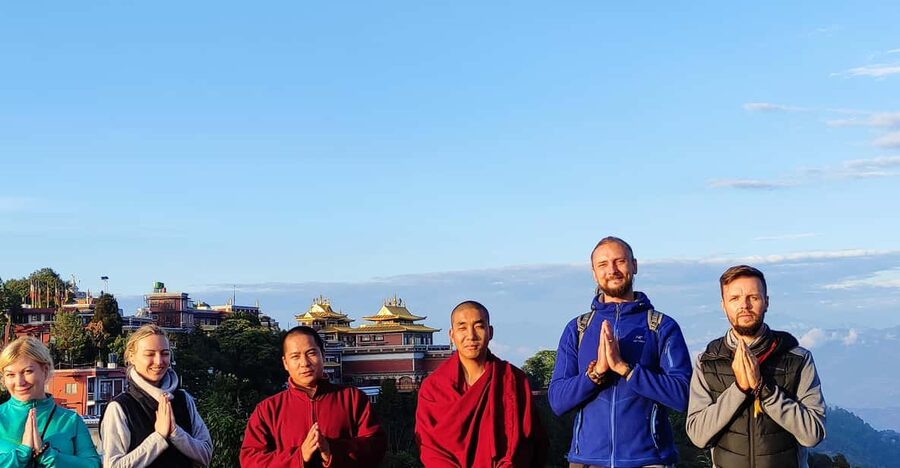
- A 3-hour hike from Dhulikhel to Namobuddha gives you the slow, scenic start that makes the rest of the retreat feel earned
- Small group, up to 10 people means your guide can actually manage the early wake-ups and quiet moments
- Vegetarian meals, 3 per day are included, and eating alongside the monastic setting is part of the value
- Chanting and prayer timing can be early and specific (some sessions may happen at set hours like 6 a.m. and 11 a.m.)
- Your bed may be inside the monastery or in a nearby guesthouse (about 100 to 400 meters has been reported), so confirm what you will get
Dhulikhel to Namobuddha, the hike that sets the tone
The program starts with pickup from Bhaktapur, Kathmandu, or Lalitpur, then a private transfer to Dhulikhel in Nepal’s Bagmati Zone. It is about 30 kilometers, so you get out of the city without losing the day to transit.
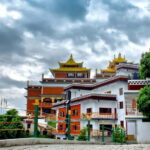
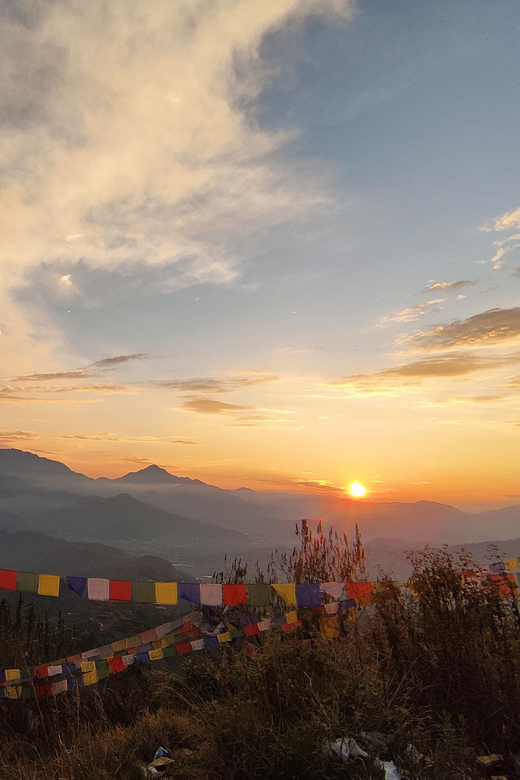
From Dhulikhel, you hike for roughly 3 hours to Namobuddha Monastery. This is not just getting from point A to point B. The best part of this trek is how it shifts your brain. You stop negotiating with your phone, you start watching feet and breathing, and by the time you arrive you are ready to behave like the schedule expects.
If you have basic mobility, you will likely be fine. But if you hate walking or are dealing with injuries, this is worth taking seriously because the retreat rhythm depends on your energy. I would treat this hike like the warm-up for a quieter lifestyle, not a casual stroll.
You can also read our reviews of more tours and experiences in Kavre Bhanjyang.
Your monk-life schedule, what happens on day 1, 2, and 3
The retreat is 2 nights and 3 days built around a repeatable monastic rhythm: morning and evening sessions, then meals, then some quiet time or guided learning.
Day 1: Arrive, settle in, then join the first sessions
After checking in, you get time to rest and explore the monastery grounds. In the evening, you join an introductory session with resident monks that includes an orientation to meditation and chanting. The aim is mindfulness and inner peace, and the experience is meant to start gently, not overwhelm you.
Here is the practical tip: on day 1, your best move is to show up on time and stay open. If you come expecting a full, dramatic performance of rituals every hour, this is more like a daily practice environment than a show.
Day 2: Morning chanting, a guided monastery walk, and quiet reflection
Day 2 usually starts early. You wake up for a morning chanting session, then a guided meditation session that helps you begin with clarity.
Breakfast is vegetarian and served in the monastery dining hall. Mid-morning includes a guided tour of the monastery grounds, focused on history, architecture, and cultural meaning. Lunch is also vegetarian, and the idea is simplicity and mindfulness.
In the afternoon, you get time for personal reflection and quiet contemplation. Some groups may also choose monastery activities like gardening or scripture study, depending on what is available during that time.
Evening brings another chanting session followed by a guided meditation, so you end day 2 with a wind-down that feels intentional.
Day 3: Final morning routine, final meal, then back to Kathmandu
Your last morning repeats the flow with chanting and meditation, then breakfast. Afterward you do another guided monastery tour component, then lunch.
In the afternoon, you depart via private transportation back to Kathmandu (with drop-offs to Bhaktapur, Lalitpur, or Kathmandu depending on your pickup).
The daily structure is a big part of why this program can feel meaningful. You are not trying to invent your own “spiritual day.” The schedule does that work for you.
Staying near the monastery, simple rooms and shared facilities
One of the most important expectations to manage is where you actually sleep. The program description talks about staying inside the monastery for two nights. But the reality from reported experiences is that you might instead sleep in a nearby guesthouse, sometimes around 100 meters away, or up to about 400 meters away, depending on room availability.
Either way, accommodations are simple, with basic amenities and shared facilities. You are in twin sharing, and you will share your space with a room partner.
I like this style of lodging because it matches the point of the retreat: less comfort, more routine. But it also means you should expect fewer “hotel conveniences.” If you need your room to be quiet, private, and plush to feel calm, you may feel frustrated by the simplicity. If you can treat the place as part of the practice, it is much easier to accept.
Also note that the monastery setting comes with behavior and dress code expectations. You do not need to guess. Just follow what the monastery asks for once you arrive.
Chanting, rituals, and how hands-on you really get
This is where the program title can collide with real life.
The plan promises daily meditation and chanting sessions led by resident monks, plus participation in monastery rituals and practices. In practice, the level of participation can vary by schedule and availability of monks for guest involvement.
Some reported stays describe fewer hands-on meditation moments with monks, and more of a role as a participant by observation during prayer sessions. One experience mentioned prayers at around 6 a.m. and 11 a.m. Another disappointment centered on missing puja or rituals during that stay, even though the stay was close to the monastery and involved meals near monks.
So here is the honest takeaway I would give you: you should treat this as a monastery immersion experience with structured times to join, not a guarantee that every listed ritual happens on the exact minute for every group.
If you want maximum participation, ask your guide before the hike or right on arrival:
- Which sessions involve direct participation versus attendance
- Whether there is a puja planned during your specific dates
- Whether you are expected to join meditation itself or mainly observe and reflect
Your guide can help you figure out what is actually happening that day, and the best guides will do this clearly. In this program, the guide named Anoj (spelled Anose in some reports) is described as kind, enthusiastic, and well prepared.
Vegetarian meals, why eating with monks is part of the deal
Three vegetarian meals per day are included: breakfast, lunch, and dinner. That sounds straightforward, but the value is not just the food. It is the setting and the reminder that this retreat runs on simple, repeatable nourishment.
Meals are served in the monastery dining area, and in some experiences you eat next to or alongside monks, which changes the vibe from tourism to routine. It can feel quiet and focused, even if you do not share the same faith background.
If you are particular about flavors or spices, expect basic monastery-style meals rather than a gourmet restaurant. But multiple people described the food as tasty and satisfying, which matters because you need to stay comfortable enough to join morning sessions.
A practical note: no alcohol is allowed during the experience. This also supports the “clean mind, clean routine” feel the retreat is aiming for.
Your guide and small-group size, what you get at 6 a.m.
This is a small group experience, limited to 10 participants, with a live guide in English. That matters more than it sounds. At early morning chanting sessions, logistics become your sanity. A guide helps you keep your footing in daily timing and it keeps the group respectful and calm.
The guide also plays a key role in making the monastery meaningful. You get guided tours that cover history, architecture, and significance. Without that context, the monastery can feel like a quiet place you visited, rather than a living tradition you understood.
In the better outcomes, guides are not just reciting facts. They are attentive when something goes off-script. One example described the guide caring for someone who was not feeling well due to a stomach issue, which is exactly what you hope a guide can handle when your schedule is structured and you are away from regular services.
Price and logistics, does $294 feel fair?
At $294 per person for a 3-day program, you are paying for several real things:
- Private transportation to Dhulikhel and back to Kathmandu
- A guided hike from Dhulikhel to Namobuddha
- Two nights of lodging (either inside the monastery or in a close guesthouse)
- Three vegetarian meals per day
- A guide with expenses covered
- Daily chanting and meditation sessions plus monastery tours
The good news is that this is not just a lecture. You are getting transit, food, lodging, and guided time.
The caution is that the title promises to live like a monk, and when the daily interaction level is lower than expected, the price can feel steep. The most common mismatch is not the monastery itself. It is expectation versus what the schedule allows at that exact time.
So I would use this rule of thumb:
- If you are coming for calm routine, vegetarian monastery meals, and time in the Namobuddha setting, the price can feel reasonable.
- If you specifically need lots of direct meditation practice with monks, and you want guaranteed puja participation, you should clarify those points before booking.
Also, the program has a 3.6 rating from a small set of bookings. That usually means the experience is not universally smooth. For this type of retreat, it is normal for schedules to shift, but it is still worth doing your homework.
Who this suits best, and who should think twice
This works well if you:
- Want a short, structured break from city pace
- Enjoy early mornings and quiet routines
- Are okay with simple rooms and shared facilities
- Prefer learning through daily practice and guided context
- Want Buddhist culture and mindfulness from a lived daily rhythm
It may not fit you as well if you:
- Expect the monastery to function like a strict, visitor-facing retreat program with the exact same rituals every day
- Need your lodging to be definitely inside the monastery complex, with zero possibility of a nearby guesthouse
- Are sensitive to schedule changes that can affect how much you actively do versus observe
And yes, one more thing. If you are hoping for a “party of monks and dramatic chanting,” you will likely find it too quiet and too practical. This is monastic life, not a stage production.
Should you book this Namobuddha stay?
Book it if you want to trade convenience for a simple rhythm. The Dhulikhel-to-Namobuddha hike, the monastery guided tours, the daily chanting and meditation times, and the included vegetarian meals are exactly the ingredients for a meaningful short retreat.
Don’t book it blindly if your top priority is hands-on puja and guaranteed monk-led meditation involvement. In a place with real schedules, those details can vary. Before you go, ask how many sessions you will participate in directly and where you will sleep during your dates.
If you can accept a little uncertainty and you actually want the routine, this is the kind of experience that can calm you down fast, the moment you stop trying to control everything.