
Bridge crossings beat Kathmandu noise. This day trip strings together Nagarkot Himalayan viewpoints and the Rani Jhula Suspension Bridge for a walking day that feels real, not rushed. You also end up at the UNESCO-listed Chagunarayan Temple, then refuel with lunch before the drive back to Kathmandu.
What I like most is how the hike moves through everyday life, terraced fields, and forest paths, so the views feel earned. Another big win is the guide side of things, especially when you get someone like Rajan Dhakal, who keeps the day flowing and explains what you’re seeing along the way. One consideration: this is a proper hike on uneven ground, including sections that can feel like firm uphill over stone, so you’ll want decent walking shoes and a steady pace.
Key things to know
- Nagarkot views on clear days, with a wide Himalayan range from west toward the Everest direction
- Rani Jhula across the Sali Nadi River, with time to pause for photos mid-span
- Two separate 2-hour walks, so you’ll have a rhythm rather than one long slog
- Chagunarayan Temple (UNESCO), a centuries-old Vishnu temple with carvings and sculptures
- Lunch plus food tasting in Chagunarayan village, built into the temple visit
- Private group feel, where start time and pace can be adjusted compared to fixed group schedules
From Thamel Hotel Pickup to Nagarkot Hill Views
Your day starts with pickup from Thamel in Kathmandu, which is a big deal if you hate the hassle of arranging transport on your own. From there, you ride out toward Nagarkot, one of those places people name for a reason: it’s a hill station that often delivers wide, clear Himalayan sightlines when the weather cooperates.
On the way, you’ll likely feel the shift right away. Kathmandu’s air and pace change as you gain elevation, and you start seeing the patchwork of hills, fields, and settlement patterns that make the Kathmandu Valley feel more than just a city.
You’ll also get a short guided orientation once you’re in Nagarkot, around 30 minutes. That matters because it helps you connect the view you’re seeing to what your guide explains, instead of just staring at mountains and hoping you’ve got the geography right.
This morning structure is practical: the drive breaks the day into “arrive, look, walk, eat, walk, temple, ride back,” which helps keep energy stable instead of dropping you into a long hike immediately.
You can also read our reviews of more tours and experiences in Nagarkot.
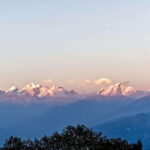
Nagarkot Guided Stop: How to Read the Mountains
Nagarkot is famous for panoramic Himalayan views, and the tour is designed around that idea. You’ll get a guided tour for about 30 minutes, then the hiking begins, so your first real look at the mountains lands at a good moment.
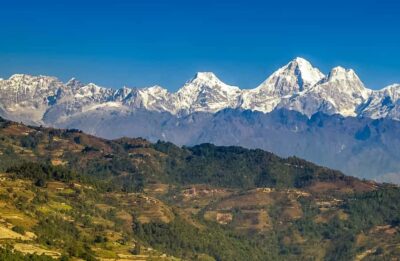
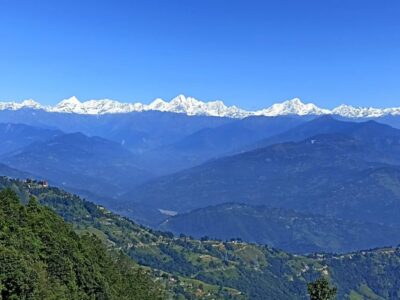
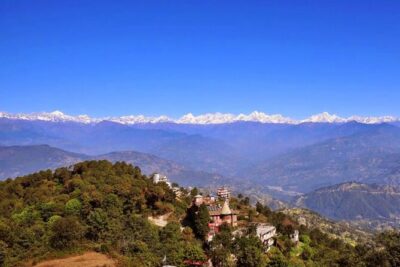
From this area, the description points to views that can stretch from the Annapurna region in the west to the Everest direction in the east, assuming clear skies. That’s a huge “range” if you’re thinking photo composition. A good guide can point out how to frame the ridges and how to avoid shooting into glare when light is high.
The biggest value here is context. Without explanation, a Himalayan panorama can feel like one big backdrop. With an English-speaking guide, you’re more likely to understand what you’re looking at and why the viewpoint matters.
If the day is hazy, don’t panic. Even then, the hills and forest cover still make the walking section feel worthwhile. The point of the Nagarkot stop is not only peak drama, it’s getting you mentally set for a hike that takes you out of the city and into rural rhythm.
The First 2-Hour Walk: Forest Paths, Terraces, and Villages
After Nagarkot, your route becomes all about movement. You’ll hike for about two hours on a moderately easy path, with pine trees, terraced fields, and village life along the way. This is the kind of trek section where the “work” is steady effort, not technical scrambling.
One reason I like this format for day-trip visitors is that it’s long enough to feel like you’re actually walking through the valley, but not so long that you show up exhausted at the next stop. The tour keeps it realistic, and it gives you time to pause for photos without feeling like you’re constantly sprinting to keep up.
You’ll likely notice small details that make the trail feel alive. In the walk experience described by recent participants, people have passed a waterfall along the route, and even seen friendly goats near the roadside. Those small moments are what turn a sightseeing walk into a story you can remember.
Photo-wise, this is where you can capture the “in-between” frames: the tree cover, the terraced patterns, and the angle of houses tucked into hillsides. If you want a few mountain shots too, your guide can help you choose where to stop so you’re not trying to shoot while walking uphill.
For best comfort, treat footwear like it matters. You’re on uneven ground at altitude, so support and grip help a lot more than fancy gear.
Crossing Rani Jhula Suspension Bridge Over the Sali Nadi
Then comes the bridge. Rani Jhula Suspension Bridge spans across the Sali Nadi River, and it’s described as newly built and engineered, with a long, designed span that gives dramatic views of hills and valleys.
This stop is about switching your brain from “walking focus” to “pausing and looking.” You’ll get a guided tour of about 20 minutes, then time to sightsee and take photos. Standing on the bridge mid-span is exactly the kind of moment people remember because your perspective changes instantly. You see the valley layers beneath you, and you feel the light sway that makes the crossing feel more playful than scary.
Even if you’re not a thrill-seeker, this bridge works for photographers. It frames the hills in a way trails rarely do, and it gives you a natural foreground that makes the background mountains feel bigger.
A practical note: if you get even slightly motion-sensitive, bring your calm with you. The bridge is part of the experience, so plan to move slowly and hold steady while taking pictures.
Also, this is a great mental reset point before the second walk section. After you cross, you’re not just walking again, you’re continuing toward an old temple with a different kind of payoff.
Chagunarayan Temple Visit: UNESCO Vishnu Carvings
Chagunarayan Temple, also spelled Changu Narayan, is the cultural anchor of the day. It’s UNESCO-listed and dates back to the 4th century, dedicated to Lord Vishnu. That age alone makes it worth stopping, but the tour experience leans more specific than that.
You’ll get a guided visit for about one hour, plus free time and sightseeing. The temple is described as having intricate wood carvings and stone sculptures, so you’re not only looking at a structure from the outside. You’re learning what the details mean and how the design reflects older religious traditions in the Kathmandu Valley.
This stop adds balance to the hike. Without a cultural component, a day like this can start to feel like just “another walk with a viewpoint.” With the temple, the day becomes a layered story: mountains and river crossing on one side, and centuries-old Hindu worship on the other.
If you care about architecture, this hour is the kind of time where a guide makes a noticeable difference. The carvings and sculptures can look impressive even without explanations, but with context you’ll know what you’re looking at instead of guessing.
Also, the setting in the village area makes it easier to slow down after the bridge. You go from motion to stillness, from valley air to stone detail, and it breaks the day in a satisfying way.
Lunch and Food Tasting in Chagunarayan Village
The food stop is built into the end of the temple visit. Lunch is included, and you also get a chance for local food tasting in the Chagunarayan village area.
What you should expect, based on the tour description, is classic Nepal comfort food. People commonly choose things like steaming momo and spicy Newari dishes, or a hearty Nepali thali style meal if that’s how the lunch is arranged that day. The idea is straightforward: you eat what’s local, not a generic tourist buffet.
This is also where the day-trip pacing makes sense. You finish the longest walking sections first, reach the temple, then eat and snack before the final ride back to Kathmandu. That helps you avoid the worst pattern of day hikes, which is hungry fatigue at the midpoint.
One smart tip from real participants: bring something small to eat during the hike. Even with water and lunch later, the walking segments can feel long if you’re used to day tours that include snacks. A small trail bite can keep your energy steady for the second half.
Water is also handled for you. The tour includes a bottle of drinking water, which makes it easier to travel light.
Fitness, Pace, and What to Bring for an 8-Hour Day
The total duration is about eight hours. Walking time is roughly four hours in two two-hour segments, with guided stops and sightseeing in between. That puts this day in the “real hike” category, not a gentle stroll.
The tour information describes the route as moderate. Recent notes add that there are sections on and over stone, near about 2000m, so you should feel comfortable on uneven ground. You don’t need to be a mountaineer, but you do need stable footing and good pace control.
A private group format helps here. People doing this as a private experience have mentioned being able to adjust timing and set the walking tempo to match their own comfort level. That flexibility matters if your group includes someone who gets tired quickly, or if you want more photo pauses.
For what to bring, you already know the basics, but this tour deserves a quick checklist:
- Good walking shoes with grip for uneven sections
- Something small to nibble during the hike, since the trail can run longer than you expect
- A camera, since you’ll have both bridge angles and mountain viewpoint moments
Also, remember that the Himalayan view is weather dependent. Clear days are when Nagarkot really delivers the wide panorama that the tour describes. If it’s not crystal clear, focus on the village trail details and temple carvings, which still make the day worth it.
Price Value at $64: What You’re Paying For
At $64 per person, the price is less about luxury and more about organized value. What you get for that cost includes an English-speaking guide, pickup and drop-off service from Thamel, entrance fees, bottle of drinking water, lunch, and government taxes.
For many first-time visitors to Nepal, the “hidden cost” isn’t just money, it’s time and stress. This tour removes the need to figure out transport between hill stations, coordinate access to temple sites, and manage the hike logistics yourself. You also get someone who can explain the places, which is especially useful at a complex cultural site like Chagunarayan.
If you’re traveling as a private group, the value can rise even more. Even though you’re paying per person, the guide attention stays focused on your group rather than on a larger crowd.
It’s not a cheap tour in absolute terms, but it’s also not overpriced for a day that covers three distinct parts of the Kathmandu Valley experience: Nagarkot viewpoint area, Rani Jhula bridge crossing, and the UNESCO temple with food.
In short, you’re paying for time on the ground with a guide and included admission, not for a long list of extras.
Should You Book This Nagarkot to Chagunarayan Hike?
Book it if you want a single day that mixes mountain viewpoint energy with a real rural trail and a UNESCO cultural stop. This is especially good for nature lovers and photographers, and for anyone who wants something more thoughtful than a bus-and-batik circuit.
Skip it or think twice if you know you struggle with uneven stone walking at altitude. The hike is moderate, but it’s still a hike, and the day runs about eight hours total. You’ll enjoy the bridge and temple more if you arrive with energy instead of pushing through fatigue.
I also think it’s a strong fit for people who care about good guiding. Names like Rajan Dhakal show up for a reason: communication, education, and a calm pace help the day click. In a private group setup, you also tend to get a bit more control over start timing and walking pace.
If you’re deciding between a short Kathmandu city day and a valley hike, this one is a clear choice for variety. You leave Kathmandu, you cross the river on a suspension bridge, you see centuries-old Vishnu worship at Chagunarayan, then you eat and return with a story that feels like Nepal, not just scenery.
FAQ
What is the duration of the Nagarkot to Chagu Hike tour?
The tour duration is 8 hours.
Where does the tour start and end?
Pickup and drop-off are in Thamel, Kathmandu.
How long is the hiking portion?
You hike for about 2 hours, then again for about 2 hours, for roughly 4 hours on foot total.
What sites are included in the tour?
The day includes Nagarkot, the Rani Jhula Suspension Bridge, and Chagunarayan Temple.
Is lunch included?
Yes. Lunch is included, and you also have food tasting in Chagunarayan village.
Do I get an English-speaking guide?
Yes. The tour includes an English-speaking live guide.
What is the cancellation policy?
You can cancel up to 24 hours in advance for a full refund.
More Hiking & Trekking Tours in Nagarkot
More Tour Reviews in Nagarkot
Not for you? Here's more nearby things to do in Nagarkot we have reviewed
Nagarkot Sunrise & Hiking Tours, compared.
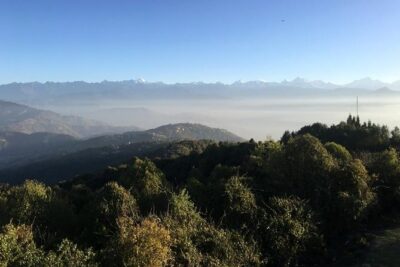 ★ 5.0Nagarkot Sunrise View and Day Hiking from KathmanduFrom $45471 reviews
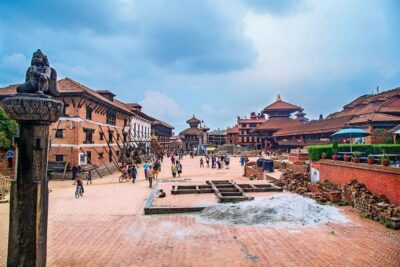 ★ 5.0Private Bhaktapur and Nagarkot Day Tour From KathmanduFrom $20305 reviews
 ★ 4.9Nagarkot Sunrise View & Morning Hike with LunchFrom $5188 reviews
 ★ 4.7Nagarkot Sunrise and Hike Tour to Changu NarayanFrom $55151 reviews
 ★ 4.8Everest View from Nagarkot & hike to ChanguFrom $43140 reviews
 ★ 5.0Nagarkot Sunrise & Hike to Changu Narayan Day Tour from KathmanduFrom $25126 reviews
 ★ 4.9Nagarkot Sunrise & Hike with Lunch -Private/GroupFrom $5122 reviews
 ★ 4.5Nagarkot Sunrise Trip & Day Hike with Lunch from KathmanduFrom $3583 reviews
Browse the lists this tour appears in